Diesel engines - maintenance and common problems DPF, EGR, turbo, injectors
DPF, EGR, injectors and turbo - what diesel drivers need to know. Fault symptoms, maintenance tips and how to extend engine life from workshop experience.
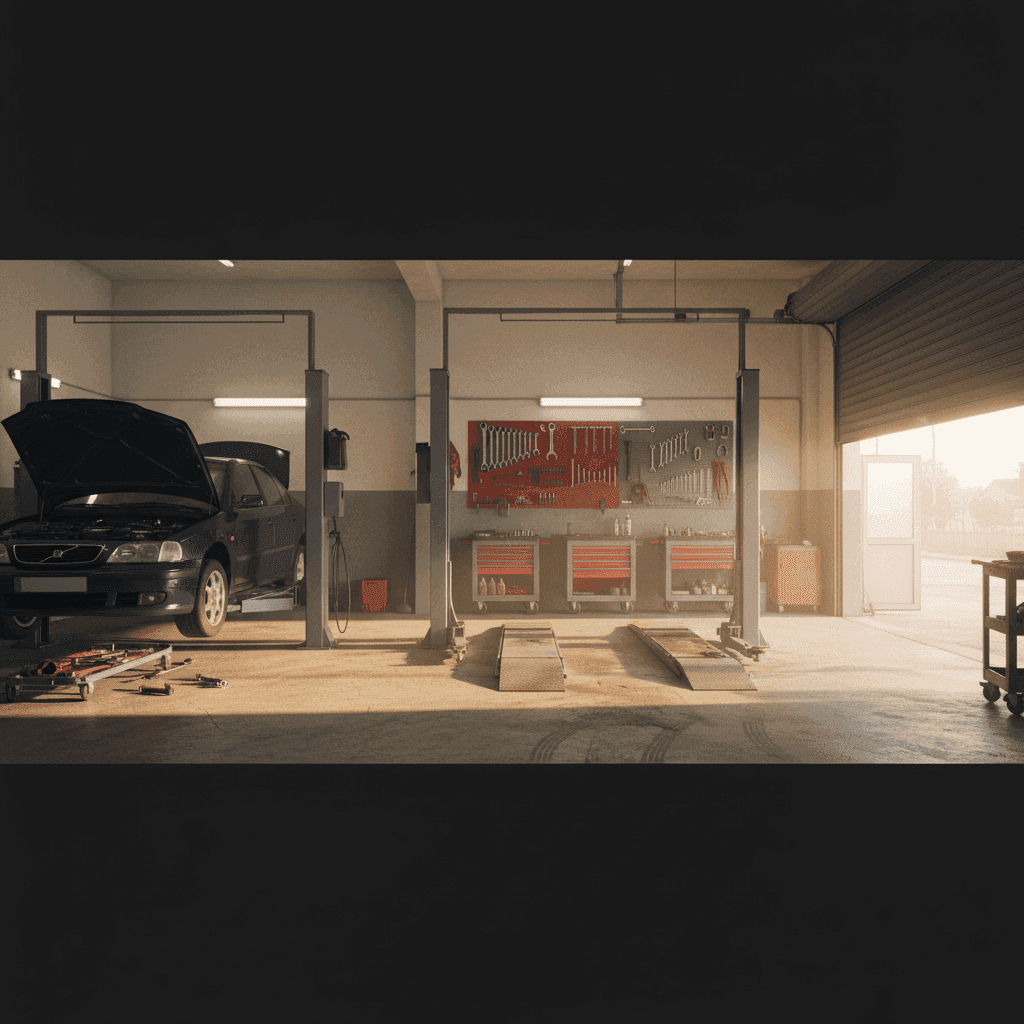
How to extend diesel engine life
Diesel engines are a different story than petrol ones. They are sensitive to fuel quality, dislike short trips, and DPF, EGR and turbo require a specific approach to maintenance. Here we share workshop experience on what actually extends the life of a diesel vehicle, which symptoms not to ignore and when it is time for service.
Why Your Engine Doesn't Reach Operating Temperature and What It Does to Your Car
Temperature gauge stays low, heater blows lukewarm air, fuel consumption rises. A stuck thermostat is the usual cause, and the consequences aren't trivial.
Read guide →Fuel and oil additives: what actually works and what is a waste of money
Injector cleaners, oil additives, engine flush and DPF cleaners. A workshop perspective on what works, what is marketing, and when additives can cause harm.
Read guide →Why Your Car Struggles to Start in the Cold and What to Check
Engine cranks too long or runs rough on cold mornings? The causes differ for petrol, diesel and LPG cars. Here is what to check for each type.
Read guide →Why Your Car Shakes at Idle, Causes and Fixes
Car vibrating or shaking at idle? Ignition coils, spark plugs, engine mounts, vacuum leaks, EGR valve, and throttle body are the usual culprits.
Read guide →Diesel Injectors, Failure Symptoms and When to Repair
Misfires, knocking, smoke and fuel in the oil point to worn common rail injectors. Leak-off testing, refurbishment, coding and prevention explained.
Read guide →Most Common Diesel Engine Problems and How to Spot Them Early
Six weak points on modern diesels, from injectors and DPF to the dual-mass flywheel. How to recognize each failure before it gets expensive.
Read guide →Diesel Glow Plugs, Symptoms of Failure and Proper Replacement
How to recognize a faulty glow plug, why the problem hides in summer, what post-glow heating does, and when replacement becomes a serious job.
Read guide →How to Spot Fuel Injector Problems on Petrol and Diesel Engines
Rough idle, misfires, black smoke, higher fuel consumption. How to recognize a faulty fuel injector on petrol and diesel engines and what to do about it.
Read guide →How to Get Your Car Ready for Winter, Step by Step for BiH
Winter tires, battery, antifreeze, wipers, and diesel in the cold. A practical winter prep guide for BiH conditions, from October to first frost.
Read guide →What a DPF Filter Is and Why It Clogs on Diesel Engines
How the DPF traps soot, the difference between passive and active regeneration, why the filter clogs and what your real options are when it does.
Read guide →How to Extend Your Diesel Turbo's Life and Spot Trouble Early
Habits that kill a diesel turbo, symptoms of a failing turbocharger, VGT issues, and what to check before replacing it. Practical workshop advice.
Read guide →Dual-Mass Flywheel Replacement, Symptoms and Why Not to Wait
How to recognize a worn dual-mass flywheel, why it is always replaced together with the clutch, and what affects its lifespan. Workshop advice.
Read guide →Why Short Trips Kill Diesel Engines, System by System
Short city drives destroy a diesel's DPF, EGR, oil, and exhaust system. We explain what breaks down, why it happens, and how to reduce the damage.
Read guide →Why Your Car Is Losing Power and How to Identify the Cause
Car gradually losing power, sudden drop with a warning light, or only under load? Each pattern points to a different cause. Here's how to identify yours.
Read guide →EGR Valve: What It Does, Why It Clogs, and How to Fix It
The EGR valve recirculates exhaust gases to cut NOx emissions, but soot and oil vapors clog it over time. Symptoms, cleaning, replacement and prevention.
Read guide →Intercooler on a Turbo Diesel, What It Does and When It Fails
The intercooler cools compressed turbo air and directly affects engine power. We cover oil in the intercooler, leak symptoms, and when to clean it.
Read guide →How to Maintain a Diesel Car for Maximum Lifespan and Avoid Costly Repairs
Shorter oil change intervals, proper DPF-grade oil, turbo care, regular highway runs and fuel quality. Habits that keep a diesel engine running for years.
Read guide →Bad Fuel and Water in Your Diesel Tank, How It Happens and How to Protect Yourself
Water in diesel fuel destroys the high-pressure pump and injectors by stripping lubrication. How water enters the tank, symptoms, and prevention steps.
Read guide →Diesel High-Pressure Fuel Pump, How to Spot Failure Early
The high-pressure pump compresses fuel to 1,600-2,000 bar in a common rail diesel. How to spot failure, why pumps wear out, and how to avoid costly damage.
Read guide →Why Your Diesel Smokes on Cold Start and When You Should Act
Your diesel blows white or gray smoke on cold start? We explain when it is normal condensation and when it points to glow plugs, injectors, or worse.
Read guide →You Put the Wrong Fuel In - How to Prevent Costly Damage
Petrol in a diesel or diesel in a petrol car? Here's what to do at the pump, whether to start the engine, and how much it can cost if you get it wrong. Practical steps without the panic.
Read guide →Diesel fuel filter, when to change it and symptoms of clogging
A diesel fuel filter also works as a water separator. How to spot the symptoms of clogging, when to change it and why bleeding the system is a must.
Read guide →Vacuum pump on a diesel, failure symptoms and why the brake pedal goes hard
A rock-hard brake pedal on a diesel usually points to the vacuum pump. Symptoms, 1.9 vs 2.0 TDI tandem pump differences, and what to do before driving further.
Read guide →How to spot a faulty MAP sensor and how to test it
The MAP sensor measures intake manifold pressure and affects mixture and ignition. We cover failure symptoms, how to test it, and when to replace it.
Read guide →AdBlue and the SCR system on diesels: what it is, how it works and common faults
AdBlue, SCR catalyst and NOx sensors on Euro 6 diesels: how the system works, warning signs of a fault and what to do before the engine goes into limp mode.
Read guide →Swirl Flaps on TDI Engines - Why They Fail and What to Do
Swirl flaps on TDI engines cause fault codes and power loss when they seize or snap. Which codes appear, what happens if one falls into the cylinder, and fixes.
Read guide →Got a problem
with your vehicle?
For an inspection, service or to discuss your vehicle, call us or send a message. If you're not sure what the fault is, describe the symptoms and vehicle model.
Njegoševa 44
Banja Luka, Republika Srpska
Bosnia and Herzegovina