Why Get an Inspection Before Buying
A used car looks great in the listing. Specs, mileage, price - everything seems right. But the things you cannot see in the photos are what cost you later. Hidden engine faults, repaired crash damage, rolled-back odometers, oil leaks the seller "never noticed" - these only come to light once the car is on a lift and hooked up to diagnostics.
A pre-purchase inspection protects you from expensive surprises. Instead of relying on the seller's word, you get an objective assessment from a mechanic who has no stake in the sale.
What the Inspection Covers
We check every key system on the vehicle:
- Engine and diagnostics - fault code reading from all control units, compression check if needed, condition of timing belt or chain, oil and fluid leaks
- Gearbox and clutch - gearbox operation through all gears, clutch condition, signs of slipping or juddering
- Underside, suspension and steering - shock absorbers, springs, ball joints, stabilizers, bushings, brake condition. The lift inspection reveals what you cannot see from the cabin
- LPG system - if the car has an LPG installation, we check the state of the system, valves, reducer, injectors, certification and its validity
- Body and structure - signs of impact, repairs, paint thickness differences, corrosion. We do not rely on eyes alone - we also measure paint thickness
- Electrics and electronics - air conditioning, lights, sensors, battery condition
- Tyres and wheels - tread depth, tyre age, condition of rims and wheel bearings
How the Inspection Works, Step by Step
- Arrange a time - call or message us and tell us which car you are looking at. We book a slot.
- Bring the car or have it brought - you can come with the seller, or bring the car yourself. If the seller will not agree to an independent inspection, that is a signal in itself.
- Lift inspection - the car goes on the lift. We examine the underside, suspension, brakes, exhaust, and structural condition from below.
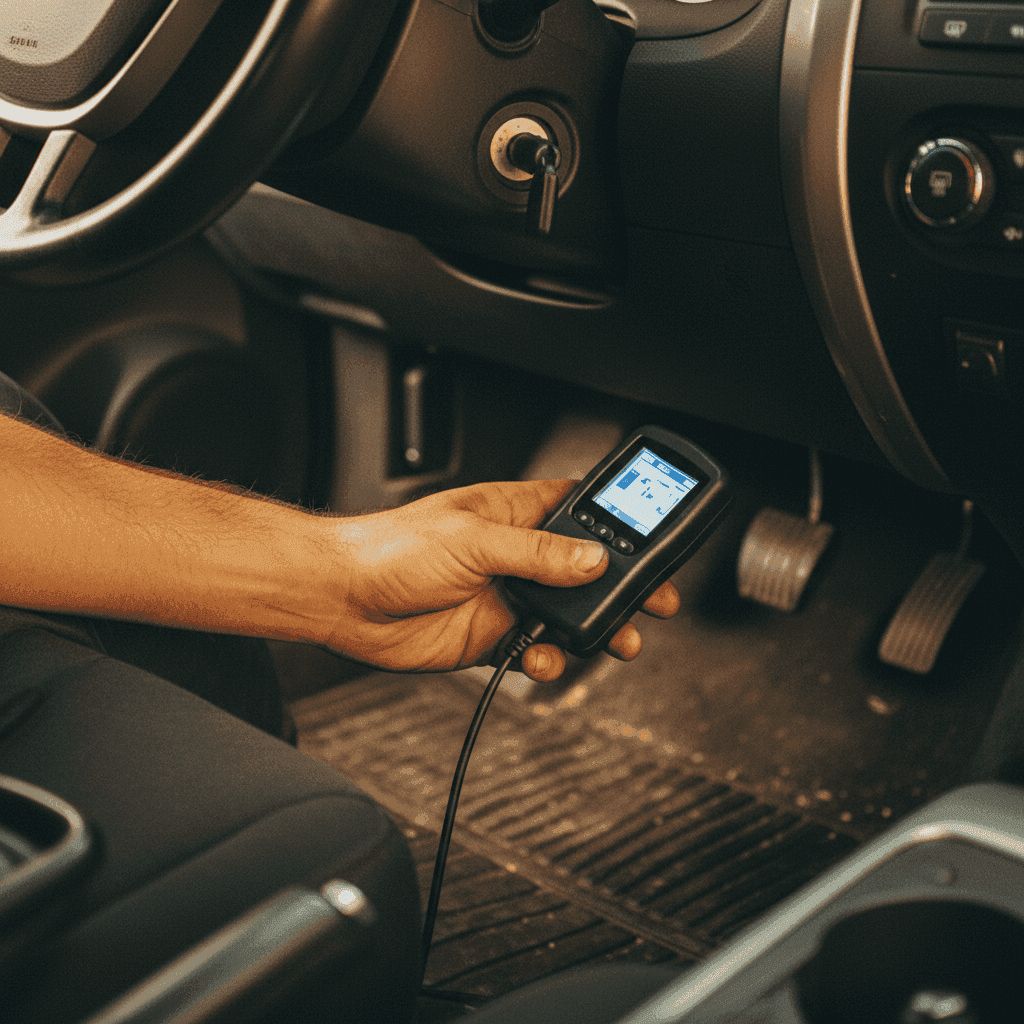
- Diagnostics - we connect the diagnostic equipment and read faults from every module. We monitor live engine data while it runs.
- Test drive - if needed, a short drive to check how the gearbox, brakes, and suspension behave on the road.
- Report and discussion - we explain what we found, what is critical, what can wait, and what it means for the price of the car.
When an Inspection Is Especially Important
- Car imported from abroad - odometer readings on imported cars are frequently tampered with. Diagnostics and component condition tell more than the counter.
- Car older than 5 years - the older the car, the more things may be worn or patched up. A lift inspection reveals the real condition.
- Car priced above 10,000 KM - when you are investing serious money, an inspection costing 50-100 KM is negligible compared to the risk.
- Car with LPG - an LPG system that has not been properly maintained can be expensive to repair. We check the installation, certification, and component condition. See also our LPG service if maintenance is needed after purchase.
- Car with unclear history - if the seller cannot show a service book or repair receipts, an inspection is the only way to find out the real condition.
If you are choosing a used car within a specific budget, take a look at our buyer guides:
What You Get After the Inspection
After the inspection you receive:
- Written report - a list of every checked item with a condition rating
- Photographs - key findings documented with photos (corrosion, leaks, worn parts)
- Recommendation - a clear opinion on whether the car is worth buying at the asking price, or not
- Negotiating leverage - if the car has defects that do not rule out purchase, the report gives you concrete arguments for a lower price
The report is yours and you can show it to the seller. On multiple occasions our findings have helped buyers negotiate the price down by an amount that far exceeds the cost of the inspection.
Inspection Cost
The cost depends on the scope of the inspection and the type of vehicle:
- Standard inspection - engine, diagnostics, underside, brakes, bodywork. Covers most situations.
- Extended inspection - everything in the standard package plus a detailed LPG system check, compression test, or any specific request you have.
We agree on the exact amount once you tell us which car you are looking at. The price is affordable and typically pays for itself through negotiation savings or by avoiding a bad buy.
Frequently Asked Questions
Can I bring a car that is not registered?
Yes. The lift inspection and diagnostics do not require registration. If a test drive is needed, we arrange that separately.
How long does the inspection take?
A standard inspection takes 45-60 minutes. An extended inspection with detailed diagnostics and LPG check can take up to an hour and a half.
What if the seller refuses to allow an inspection?
That is an answer in itself. A seller with nothing to hide has no reason to refuse an independent inspection. If they refuse, consider whether you want to buy that car.
Do you guarantee the car will not have problems?
No. The inspection reveals the current condition and visible issues. We cannot guarantee that nothing will break in a month. But we can tell you what state it is in now and what to expect.
Do you inspect diesel vehicles as well?
Yes. We inspect petrol, diesel, and LPG vehicles. We have the appropriate diagnostic equipment for each engine type.
Can you check whether the odometer is original?
We can compare part condition, interior wear, diagnostic data, and service history against the reported mileage. We often spot tampered odometers, but a 100% guarantee can only come from a check at the authorised dealer.
Do Not Buy a Pig in a Poke
The inspection takes an hour and costs a fraction of the car's price. It can save you from a purchase that would cost thousands. Get in touch before you go to see the car - we can book a slot the same day or the next.
Also take a look at our tips on how to choose a trustworthy car workshop in Banja Luka and things you should never ignore on a car which can help after you buy too.