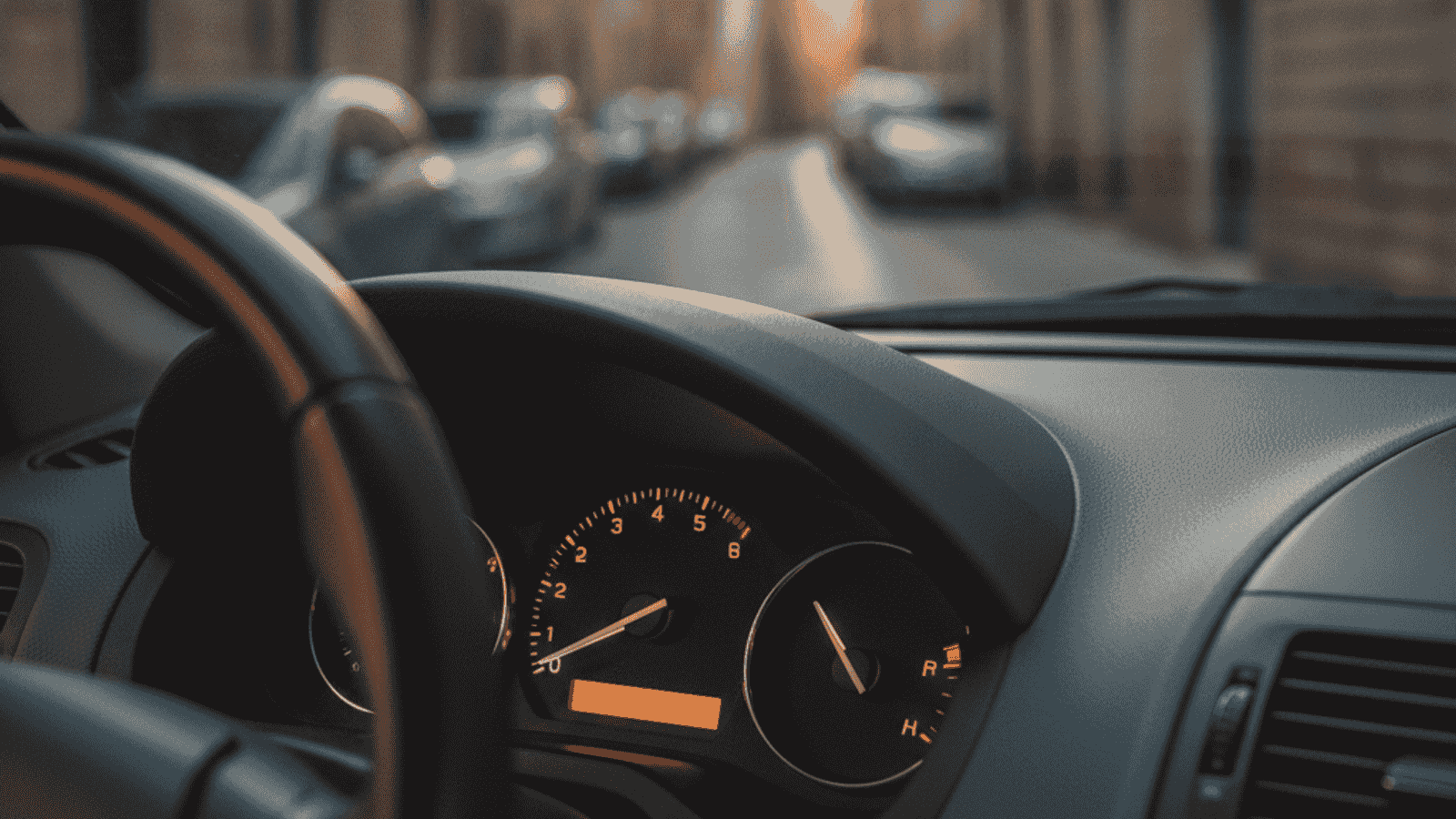
Five kilometres to work, three to school, two to the shop. The average daily trip in BiH cities rarely exceeds ten kilometres, and on most of those drives the engine never reaches operating temperature. The result is six systems on your car that sustain damage the driver never thinks about until the repair bill arrives. Short drives destroy your car slowly, quietly and expensively, and most drivers in BiH cover exactly these kinds of distances every single day.
This guide was prepared by the Auto Gas Gaga workshop in Banja Luka, drawing on years of service experience with vehicles that predominantly cover urban routes.
Table of Contents
- What Is a Short Drive and Why It Matters
- Engine and Motor Oil, Condensation and Sludge
- DPF Filter and Why Short Drives Kill Diesels
- Battery in Permanent Deficit
- Exhaust, Brakes and Clutch as Silent Losers
- Why the BiH Vehicle Fleet Is Especially Vulnerable
- Seven Things You Can Do Without Changing Your Routine
- When to Shorten Your Service Interval
- Frequently Asked Questions
- Related Articles
What Is a Short Drive and Why It Matters
A short drive is any trip under ten kilometres or fifteen minutes where the engine does not have time to reach its operating temperature of roughly 90 degrees Celsius. Motor oil only reaches its ideal lubrication temperature after fifteen to twenty minutes of driving or at least ten kilometres in moderate traffic. Anything less than that is, from a mechanical standpoint, cold running.
The problem is not a single five-minute drive. The problem is that such trips repeat every day, for months and years on end. The engine starts, runs in cold mode, shuts off. The next day, the same thing. Moisture produced by combustion never evaporates, oil never fully warms up, filters never reach their self-cleaning temperature, and the battery never receives a full charge. Each of these processes leaves a small mark, and those marks accumulate into serious faults.
This is not a question of driving style but of physics. Short drives are not a bad habit in the same sense as certain behind-the-wheel habits that directly accelerate wear. Short trips are simply the reality for most urban drivers, so this guide focuses on what you can concretely do to mitigate the consequences.
Engine and Motor Oil, Condensation and Sludge
When you start a cold engine, water vapour condenses inside the cylinders. This is a normal consequence of combustion, because both petrol and diesel are hydrocarbons that produce water and carbon dioxide when they burn. At full operating temperature that water evaporates and exits through the exhaust system. On short trips it stays inside the engine.
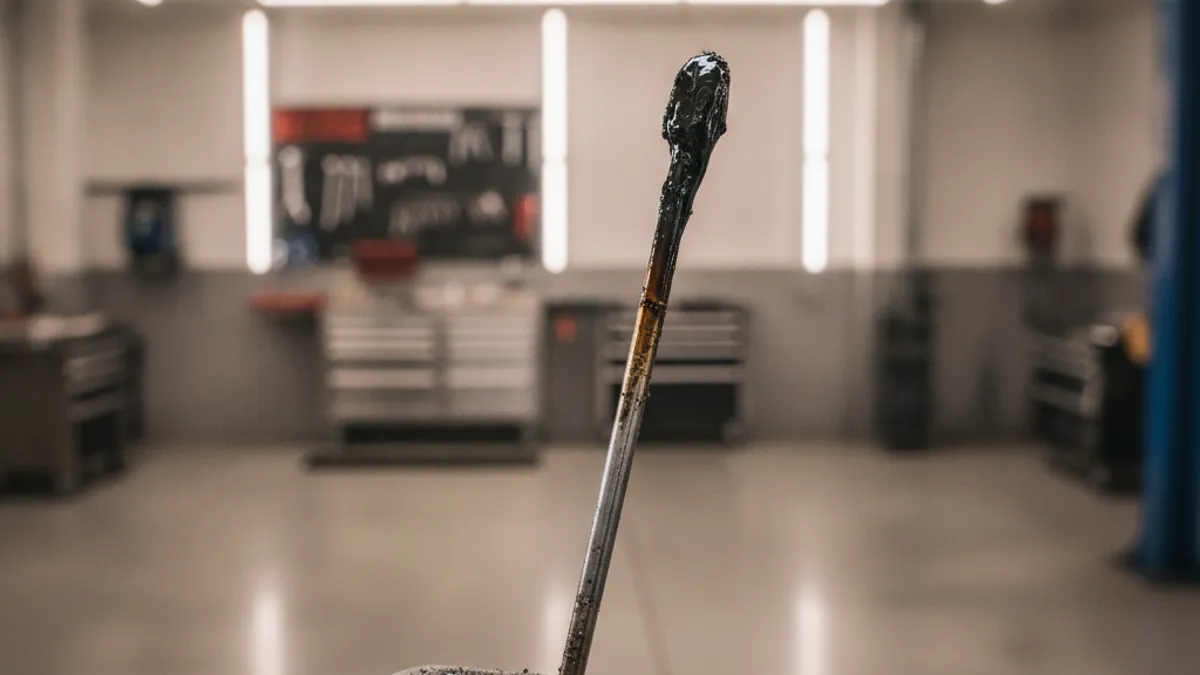
The water mixes with the motor oil and forms a sludgy emulsion. Open the oil filler cap on a car that drives only short routes and you will often see a yellowish-brown deposit on the inside of the cap. That is a mixture of water, oil and combustion by-products. This emulsion has drastically inferior lubricating properties compared to clean oil.
The consequences for the engine are tangible. Oil that never reaches operating temperature remains too thick for fine lubrication of the crankshaft and camshaft bearings. Piston rings operate under insufficient lubrication, accelerating cylinder wall wear. Hydraulic valve lifters, which depend on oil pressure, begin to tick. The turbocharger, if the car has one, suffers because oil does not flow freely enough through the turbine bearings.
On engines with direct injection (TSI, TFSI, GDI and similar), there is an additional problem. Unburnt fuel slips past the piston rings and dilutes the oil in the sump. On longer trips this fuel evaporates once the oil heats up. On short trips it remains in the oil, reducing its viscosity and destroying the additive package. The result is an oil level that rises instead of falling, while oil quality drops faster than the mileage would suggest.
If you pull out the dipstick and smell fuel, that is a clear sign the oil needs changing earlier than the service book states. You can read more about what happens inside the engine when a service is overdue in the guide on delaying a minor service.
DPF Filter and Why Short Drives Kill Diesels
The DPF (diesel particulate filter) is a system that traps soot particles from diesel exhaust gases and periodically burns them off in a process called regeneration. Regeneration requires an exhaust gas temperature of roughly 600 degrees Celsius. On short urban trips that temperature is never reached.
When the DPF cannot initiate regeneration, the system tries to compensate through post-injection, an additional fuel spray after the main power stroke. The aim is to raise the temperature in the exhaust system. The problem is that this fuel does not burn completely; part of it ends up in the sump and dilutes the motor oil. On short trips this cycle repeats over and over without a successful regeneration, so the oil level rises while its quality drops rapidly.
Once the DPF fills with soot beyond a critical point, the car enters limp mode. It loses power, the check engine light comes on, and sometimes it refuses to rev above 2 500 rpm. At that point an active regeneration in the workshop can help if the filter is not physically damaged. If the blockage has gone too far, chemical cleaning or filter replacement is all that remains.
This situation particularly affects the BiH vehicle fleet, where diesel accounts for more than 74% of registered vehicles. Older diesels with a DPF (Euro 5 and newer, effectively every diesel built after 2009) that cover five-minute commutes every day are at special risk. The filter on such a car can become critically blocked after as little as 60 000-80 000 kilometres, whereas under a mixed driving regime it would last considerably longer.
Battery in Permanent Deficit
Every engine start draws a significant amount of energy from the battery. The alternator needs at least fifteen to twenty minutes of driving to recover the energy consumed by a single start. On five-minute trips with the headlights, air conditioning, ventilation, heated seats and infotainment system all running, the battery is in a permanent energy deficit.
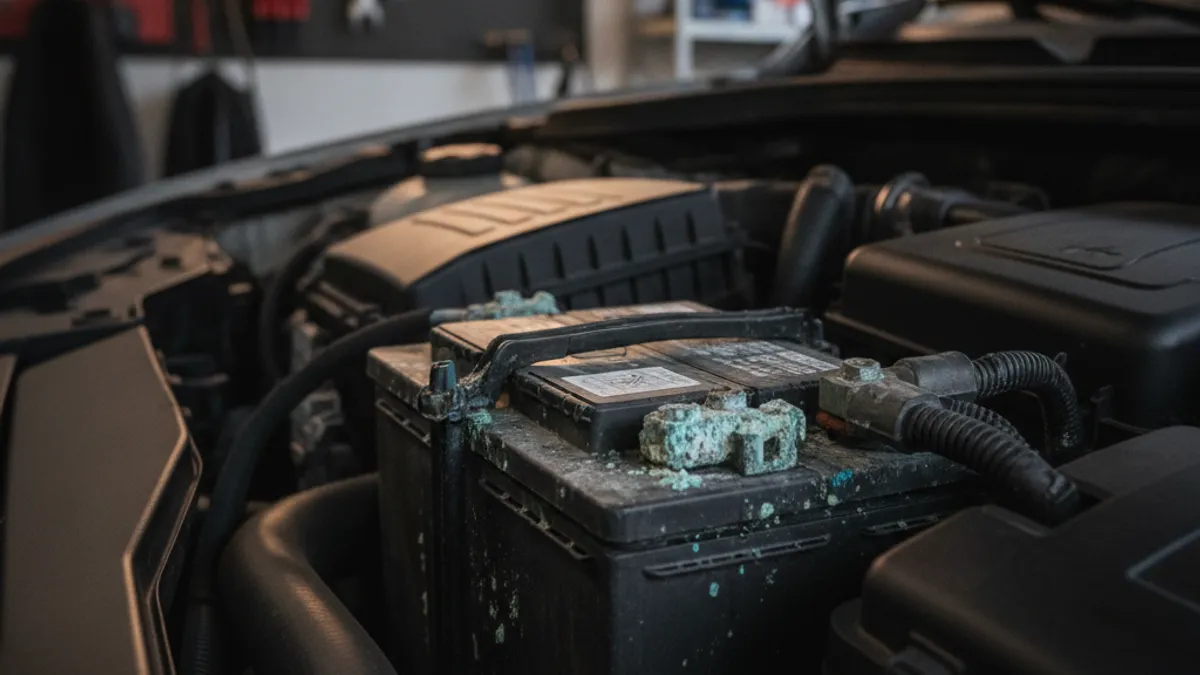
The ADAC Pannenstatistik for 2026 shows that the 12 V battery is responsible for almost half of all roadside breakdowns in Germany (45.4%), a significant rise from 35.7% in 2015. Short drives and high quiescent currents drawn by modern electronic systems are one of the main aggravating factors in this trend. Even Toyota, from November 2024, began fitting higher-capacity batteries to the Yaris and Yaris Cross models specifically for drivers who predominantly cover short routes.
The symptoms of a battery in deficit are familiar: the engine cranks more slowly in the morning, the lights are slightly dimmer, the start-stop system stops working, and one morning the car simply will not start. If you are curious about what else drains the battery while the car is parked, you will find a detailed explanation of parasitic draw and how to measure it in the guide to battery drain.
The problem is especially pronounced in winter, when battery capacity is naturally reduced by the cold and consumers (heating, windscreen defrosting, heated mirrors) run at full power. Combine that with a five-minute commute and you get a battery that never charges above 70-80% capacity. Chronic undercharging shortens battery life by a third or more.
Exhaust, Brakes and Clutch as Silent Losers
Three systems we rarely associate with short drives, yet they suffer just as much as the engine and battery.
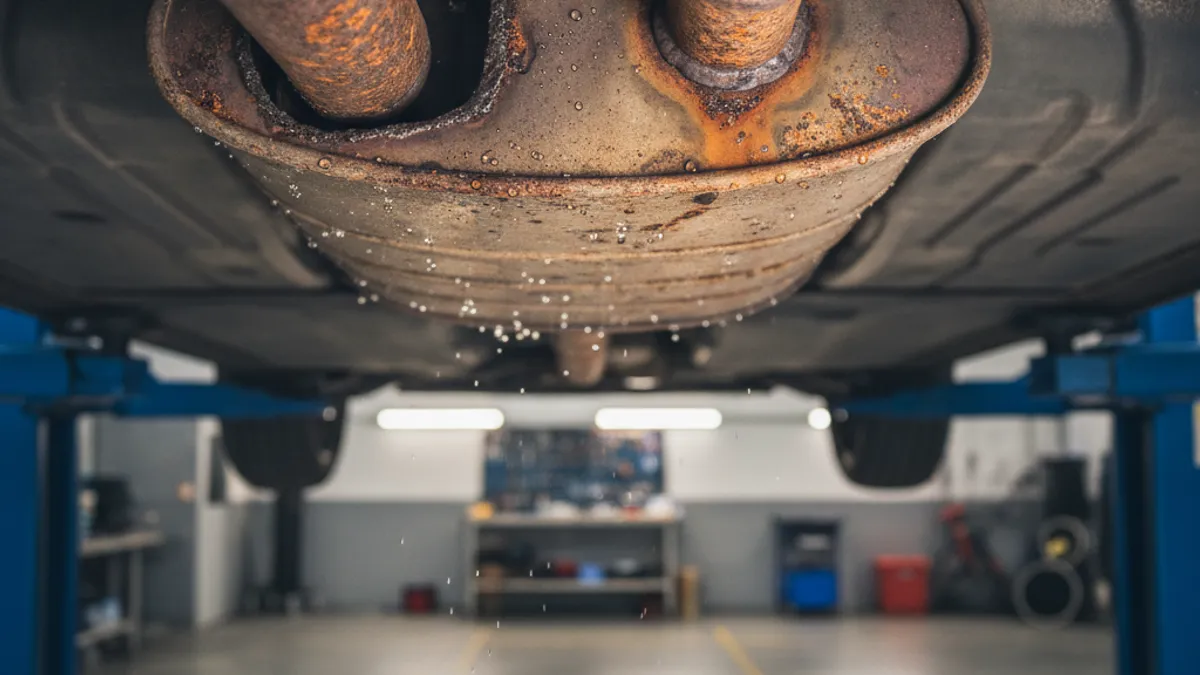
Exhaust system. On short trips, combustion moisture condenses inside the exhaust instead of evaporating. Water sits in the silencer, the mid-section and the catalytic converter, accelerating internal corrosion. You may have noticed water dripping from your tailpipe during the first couple of minutes of driving. That is normal condensation. The problem arises when the engine never warms up enough to evaporate that water, so it remains in the system for hours and eats away at the metal from the inside. An exhaust on a car that drives only short routes can rust through internally in half the time compared to a car that regularly covers longer distances. The catalytic converter suffers in a similar way. To efficiently convert harmful gases, the catalyst must reach an operating temperature of roughly 300 degrees Celsius, and on short trips it rarely does. While cold, it works inefficiently, lets more unburnt particles through, and the moisture and residues accelerate its internal degradation and clogging.
Brakes. Urban driving means constant braking, short distances between stops, lower speeds and less kinetic energy for the discs to convert into heat. The result is uneven wear of brake discs and pads. Moisture that accumulates on the discs overnight does not evaporate quickly because the brakes never reach operating temperature, leading to surface corrosion and vibration under braking. The characteristic squeal on the first brake application in the morning is a sign of this corrosion. Moisture also affects the brake fluid itself, which is hygroscopic and absorbs water from the air over time. In a car that seldom brings its braking system up to operating temperature, that moisture is harder to purge, so the fluid loses its boiling point sooner and the brakes respond less effectively on long descents. That is why regular brake fluid replacement, roughly every two years, is especially important for urban cars.
Clutch. City driving with a manual gearbox means constantly pressing and releasing the clutch in traffic, at traffic lights and in car parks. A clutch on an urban car can see two to three times the number of engagement cycles compared to a car that mostly drives on the open road. Besides mechanical wear, there is also the habit of resting the foot on the clutch pedal while driving, which accelerates release bearing wear.
Why the BiH Vehicle Fleet Is Especially Vulnerable
The average age of vehicles in BiH is seventeen years. More than 60% of cars are older than fifteen years. Diesels dominate with over 74% of the fleet. This combination makes BiH drivers particularly susceptible to the consequences of short drives.
An older car already has more worn sealing components, its oil degrades faster, the DPF is closer to the end of its service life, and the battery has less capacity than when it was new. Add a driving regime of cold starts and short trips on top of that and every one of these problems accelerates.
Factor in that a large proportion of the BiH fleet was imported from Germany and Austria, where the cars often covered a mixed regime (motorway plus city). When such a car arrives in BiH and starts covering only five kilometres to work and back, the change in regime sharply accelerates wear on systems that had previously operated under more favourable conditions.
Particularly affected are the popular models with 1.6 and 2.0 TDI engines (Golf 5/6, Passat B6, Octavia, Astra H/J) that make up a huge share of the BiH fleet. The DPF on these engines was designed for a mixed driving regime. Exclusively urban driving pushes it into trouble far sooner than owners expect.
Seven Things You Can Do Without Changing Your Routine
You cannot stop driving to work, but you can reduce the damage from short trips. These are practical measures that do not require a change to your daily routine.
Once a week, extend one drive to twenty to thirty minutes. At the weekend, instead of going to the shop two kilometres away, take the opportunity for a longer trip. Twenty to thirty minutes of uninterrupted driving at moderate revs (2 000-2 500 for diesel, 2 500-3 000 for petrol) is enough for the engine, oil and DPF to reach operating temperature and for the battery to receive a meaningful charge.
Reduce the number of cold starts. If you have two short outings in the morning (child to school then yourself to work), combine them into one trip. Every additional cold start is a new condensation cycle and a fresh hit on the battery.
Do not switch off the engine for brief stops. If you pop out for bread and will be back in five minutes, leave the engine running. Five minutes of continuous idling consumes far less fuel than a fresh cold start, and the battery charges instead of discharging.
Check oil level and condition more often. Once a month rather than once between services. If the oil on the dipstick smells of fuel or is unusually dark and thick for its mileage, that is a signal that degradation has advanced.
Reduce accessory loads when they are not essential. Seat heating, steering wheel heating, high-speed ventilation, the infotainment system, phone charging. Every consumer draws energy the alternator cannot replenish on a short drive. Use only what you genuinely need during the first five minutes of driving.
Keep the battery under control. Have it tested at a workshop once a year, especially before winter. A capacity and resting voltage test takes five minutes and gives a clear picture. Prevention is far cheaper than a morning surprise.
Monitor DPF behaviour. If you drive a diesel, pay attention to a rise in fuel consumption, an occasional slight increase in idle speed and a faint smell of hot exhaust. These are signs the car is attempting regeneration. When you notice them, do not switch off the engine. If possible, get onto the open road for fifteen to twenty minutes and let the regeneration complete.
When to Shorten Your Service Interval
Service intervals in the vehicle handbook are set for an average driving regime, typically a mix of urban and open-road driving. If you predominantly cover short routes, the factory oil-change recommendations are overly optimistic.
Specifically: if your average daily trip is under ten kilometres and you rarely drive for more than fifteen minutes at a stretch, consider shortening your oil-change interval by 20-30% relative to the manufacturer's recommendation. If the manufacturer says 15 000 km or once a year, a driver who covers only short routes should think about changing at 10 000-12 000 km or every eight to ten months.
The same applies to the fuel filter, air filter and coolant. Short drives do not just mean fewer kilometres; they also mean harsher operating conditions for every component. Some manufacturers (the VW Group, for example) distinguish between "normal" and "severe" operating conditions in their service schedules. Urban driving with short trips falls under severe conditions, even if that sounds counter-intuitive.
Before winter it is a good idea to have a full check of the charging system, battery condition and coolant. That is the period when short drives take their heaviest toll, because a cold start at minus five demands even more from the battery and oil than a cold start at plus twenty.
Looking for a workshop to test your battery or carry out a service before winter? Book an appointment at Auto Gas Gaga or contact us for a consultation.
Frequently Asked Questions
How short does a drive have to be to damage the car?
Any trip under ten kilometres or fifteen minutes where the engine does not reach its operating temperature of roughly 90 degrees is considered a short drive in terms of wear. On a petrol engine, oil reaches its ideal lubrication temperature only after fifteen to twenty minutes of driving. On a diesel with a DPF, this threshold is even more pronounced because filter regeneration requires a significantly higher exhaust gas temperature.
Do short drives damage petrol engines too, or only diesels?
They damage both types of engine, but in different ways. A petrol engine suffers from condensation, fuel dilution of the oil (especially with direct injection) and wear caused by insufficient lubrication when cold. A diesel has all of the same issues plus the specific problem of the DPF filter being unable to regenerate on short trips. With diesels, the consequences are usually more expensive.
How long do you need to drive for a DPF regeneration?
A successful DPF regeneration requires fifteen to thirty minutes of uninterrupted driving at moderate revs (2 000-2 500 rpm), on the open road or in a smooth urban flow without frequent stops. The exhaust gas temperature must reach roughly 600 degrees Celsius. Sitting in traffic with the engine running does not count, because the revs and gas flow rate are insufficient.
Does the start-stop system help or hinder on short drives?
The start-stop system reduces fuel consumption at traffic lights and in traffic, but every engine shutdown and restart places additional load on the battery. On short trips where the battery never has time to recharge, start-stop can accelerate capacity loss. That is why many newer cars automatically disable start-stop when they detect low battery voltage. If you notice that your start-stop has stopped working, have the battery checked.
Can a battery charger help if I only drive short distances?
Absolutely. If you have the option of connecting your car to a trickle charger overnight or at weekends, that is one of the most effective measures you can take. A trickle charger keeps the battery at full capacity regardless of driving regime. It is especially useful in winter, when demands on the battery are highest and capacity is at its lowest.
Is it better to leave the engine running for five minutes than to switch off and restart?
If you will be back within five to ten minutes, it is more economical and mechanically preferable to leave the engine running. A single cold start consumes more fuel than five minutes of idling, and you avoid a new condensation cycle and a fresh hit on the battery and starter motor. The exception is longer stops of fifteen minutes or more, where switching off the engine is justified.