In the first nine months of 2024 alone, 77 vehicle thefts were recorded in the Federation of BiH, while 35 cases were reported in Republika Srpska. That is a total of 112 stolen cars in under nine months, and the dark figure (unreported thefts) is likely double that. Car theft protection in BiH is no longer a matter of paranoia but simple arithmetic. Thieves in BiH steal faster, smarter and more often than most drivers assume, and the clearance rate for these crimes rarely exceeds one third of reported cases.
This guide was compiled by the Auto Gas Gaga workshop in Banja Luka, drawing on years of experience with pre-purchase inspections and real cases from practice.
Table of Contents
- How Many Cars Are Stolen in BiH and Which Ones Are Targeted
- How Thieves Steal Cars Today
- Relay Attack on Keyless Systems
- Catalytic Converter Theft and Why It Is on the Rise
- Six Protection Measures That Actually Work
- What Comprehensive Insurance Covers and What It Does Not in Case of Theft
- What to Do If Your Car Is Stolen
- Frequently Asked Questions
- Related Articles
How Many Cars Are Stolen in BiH and Which Ones Are Targeted
Data from the Federal Police Administration for the first nine months of 2024 show 77 recorded motor vehicle thefts in FBiH, which is 41 cases fewer than the same period in 2023. In Republika Srpska, 35 vehicle theft offences were reported for the same period. Kanton Sarajevo dominates with 38 stolen vehicles in nine months, making it the location with the most thefts in all of BiH.
The drop in theft numbers in FBiH does not mean the problem is solved. The number of stolen vehicles that are actually recovered remains low, and experience from the region confirms the trend: in neighbouring Croatia in 2022, 783 thefts and attempted thefts of motor vehicles were reported, and only 33.7% of cases were solved. BiH statistics are similar. Once a car is stolen and not found within the first 48 hours, the chances of recovery drop dramatically.
Which Cars Are Stolen Most Often in BiH
Volkswagen has been the most stolen brand in BiH for years. It is followed by Škoda and Opel. This is no coincidence. The VW Golf, Passat and Polo are the most common models on BiH roads, which means their parts are in highest demand on the black market. Older cars (10-20 years) often end up at scrapyards where they are stripped for parts. More expensive and newer vehicles go to the black market, most often across BiH borders.
The profile of a stolen car in BiH typically looks like this: a VW or Škoda, over 10 years old, parked in an unlit spot, with no additional protection beyond the factory lock. Owners of these cars rarely have a GPS tracker or aftermarket alarm, which gives the thief a completely clear path from the lock to the car park exit.
Cars parked on street parking in residential areas are particularly vulnerable, where night-time surveillance is virtually non-existent. Garages and enclosed car parks significantly reduce the risk, but most BiH drivers do not have that option.
How Thieves Steal Cars Today
Car theft methods have come a long way from the classic broken window and hot-wired ignition. Today, thieves fall into two clearly distinct categories, and both are active in BiH.
The first category is traditional thieves. They still use proven methods: breaking glass, forcing locks, using modified keys for older models without immobilisers or with weak immobilisers. For cars built before 2000, this is still the dominant method. The key is copied, the lock forced, and the car disappears in two to three minutes. Older Golfs, Passats and Opels without transponder immobilisers are the easiest targets for this approach.
The second category is technically equipped thieves. They target newer cars with keyless systems, use electronic devices to intercept signals, and work quietly, quickly and without physical signs of forced entry. All they need is a device worth a few hundred euros and an accomplice with a signal amplifier. This category is growing because keyless systems are becoming standard even on mid-range cars.
A particularly dangerous trend is the convergence of these two categories. A traditional thief steals an older car for parts, and invests part of the proceeds in electronic equipment to steal newer models. In practice, this means that neither the owner of an older Golf nor the owner of a newer Passat is safe without additional protection. Organised groups often operate across a wider area, stealing in one city and dismantling or reselling in another.
A third method, less technical but equally effective, is theft through forged documentation. The thief presents a car with falsified documents, sells it quickly and vanishes. This variant hits buyers of used cars who do not check the vehicle's origin before purchase.
Relay Attack on Keyless Systems
A relay attack is a method that targets cars with keyless entry/go. The principle is brutally simple: two thieves work in a pair. One stands near your key (which is usually in the hallway, on a shelf by the front door), while the other stands by your car. A signal amplifier relays the key's signal to the car, the car "thinks" the key is there and unlocks. The engine starts with the same signal. The entire process takes under 30 seconds and leaves absolutely no traces of forced entry.
ADAC tested over 616 car models with keyless systems for resistance to relay attacks. The result is alarming: in August 2023, only 7.1%, or 44 out of 616 tested models, had adequate protection. This means that nearly 93% of models with keyless systems are vulnerable to this attack. Among the vulnerable models are expensive cars from the upper segment, not just budget variants.
A relay attack is particularly insidious because the owner sees no sign of forced entry. The car is unlocked with the factory signal, the engine is started with the factory signal, and the only trace left is the fact that the car is gone. In such cases, the police have no evidence to work with, which further hampers the investigation.
How to Defend Against a Relay Attack on a Keyless Car
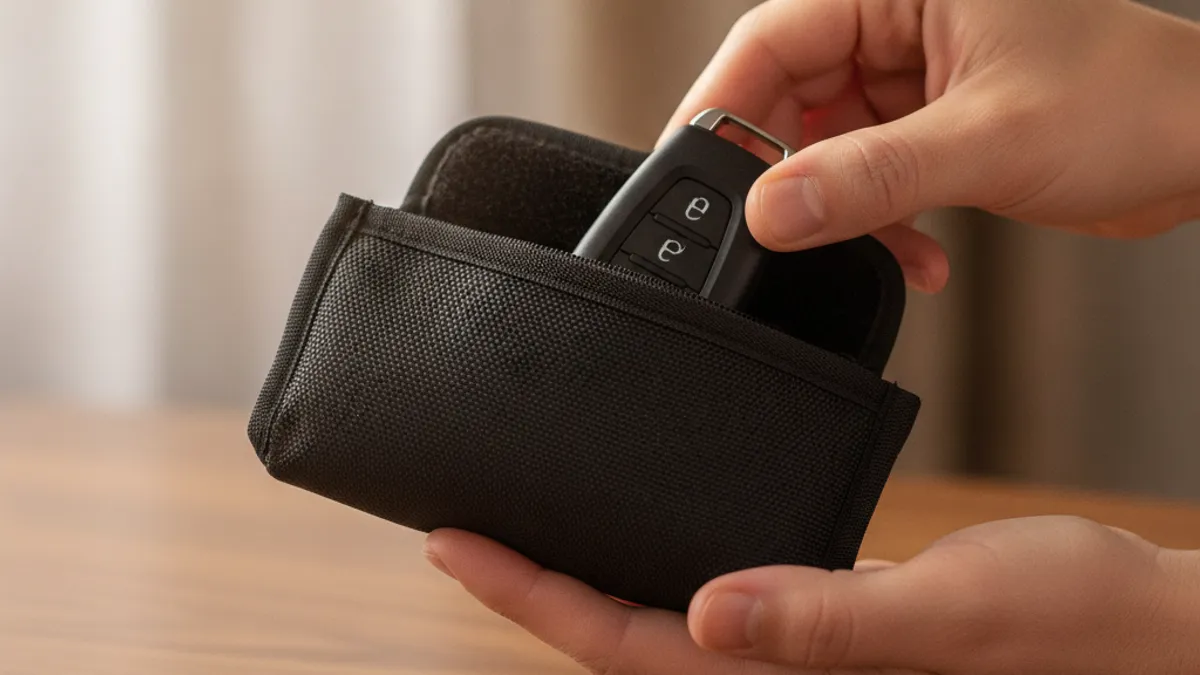
The simplest and cheapest protection against a relay attack is a Faraday pouch for your key. It is a small pouch lined with metallic material that blocks the key's radio signal. When you place the key in the Faraday pouch, the signal amplifier has nothing to intercept. These pouches are harder to find in physical shops in BiH, but they are easily ordered online.
Where to Buy a Faraday Pouch for a Car Key
Faraday pouches in BiH are most easily ordered online. When buying, pay attention to material quality. Cheap variants often leak signal at the seams, rendering them useless. Test every pouch immediately upon receipt: place the key inside, close it and try to unlock the car. If the car does not unlock, the pouch works. If it does unlock, the pouch is useless and needs to be replaced.
An alternative to a Faraday pouch is an ordinary metal box (a coffee tin, a metal biscuit tin). Test it the same way. Another method: at home, keep the key as far as possible from the front door and windows facing the car park. The key signal has a limited range, and if the key is at the back of the house, the amplifier cannot reach it.
Some manufacturers have started building protection into newer models (UWB technology instead of the classic RF signal), but the percentage of protected vehicles remains low. If you are buying a used car with a keyless system, check with the manufacturer whether your specific model has relay attack protection or not.
Catalytic Converter Theft and Why It Is on the Rise
Catalytic converter theft is a trend that has spread from Western Europe to our region. The reason is pure chemistry: a catalytic converter contains platinum, palladium and rhodium, precious metals whose stock exchange price keeps rising. A single used catalytic converter earns the thief enough money to justify the risk, while replacement costs the owner more than EUR 1,000 according to ADAC data.
Which Models Are at Risk of Catalytic Converter Theft
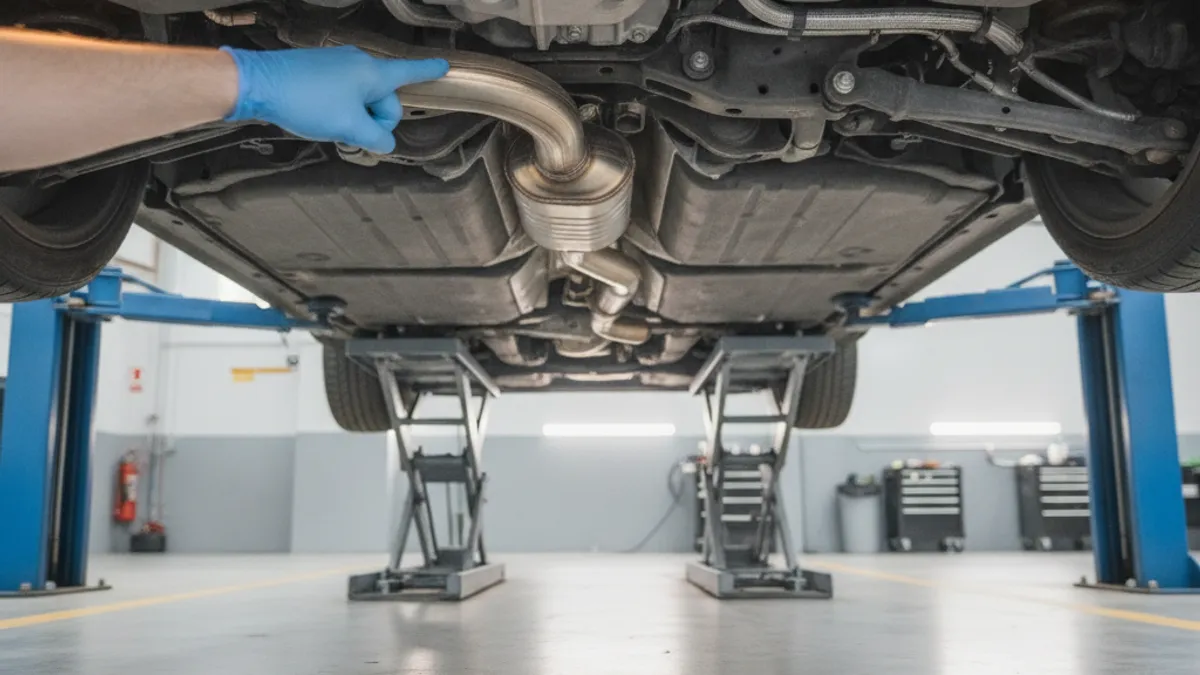
ADAC warns that the most vulnerable models are those where the catalytic converter is easily accessible underneath the car. On the list are the VW Polo III, Opel Astra G, Toyota Prius III and Honda Jazz. SUV models and vehicles with higher ground clearance are particularly vulnerable because a thief can slide underneath without a jack. Hybrid models like the Prius are additionally at risk because their catalytic converter operates at full temperature less often, meaning the precious metals degrade less and have higher value on the secondary market.
Catalytic converter theft takes one to three minutes. The thief uses a battery-powered angle grinder or hydraulic shears, cuts the converter from the exhaust system and disappears. The noise of the grinder is masked by normal city noise, especially at night when the streets are empty.
Protection against catalytic converter theft includes parking in well-lit areas, fitting a metal guard shield around the converter (available for popular models) and installing an alarm with a tilt sensor that reacts when the car is raised by a jack. For models on the at-risk list, a guard shield is the most concrete measure. We covered the symptoms of a clogged or damaged catalytic converter in more detail in a separate guide.
If you notice that your car is suddenly much louder when starting and sounds as though it has no exhaust, there is a high probability the catalytic converter has been stolen. In that case, do not drive the car longer than necessary. Without a catalytic converter the engine can run, but exhaust gases exit unfiltered and sensors on the exhaust system will throw errors that can damage other components.
Six Protection Measures That Actually Work
Layered protection is the most effective approach to car theft prevention. No single measure is foolproof, but combining several measures drastically reduces the likelihood of theft. Experience from practice confirms: a thief who encounters two or three layers of protection almost always gives up and looks for an easier target. Here are six concrete steps, from simplest to most advanced.
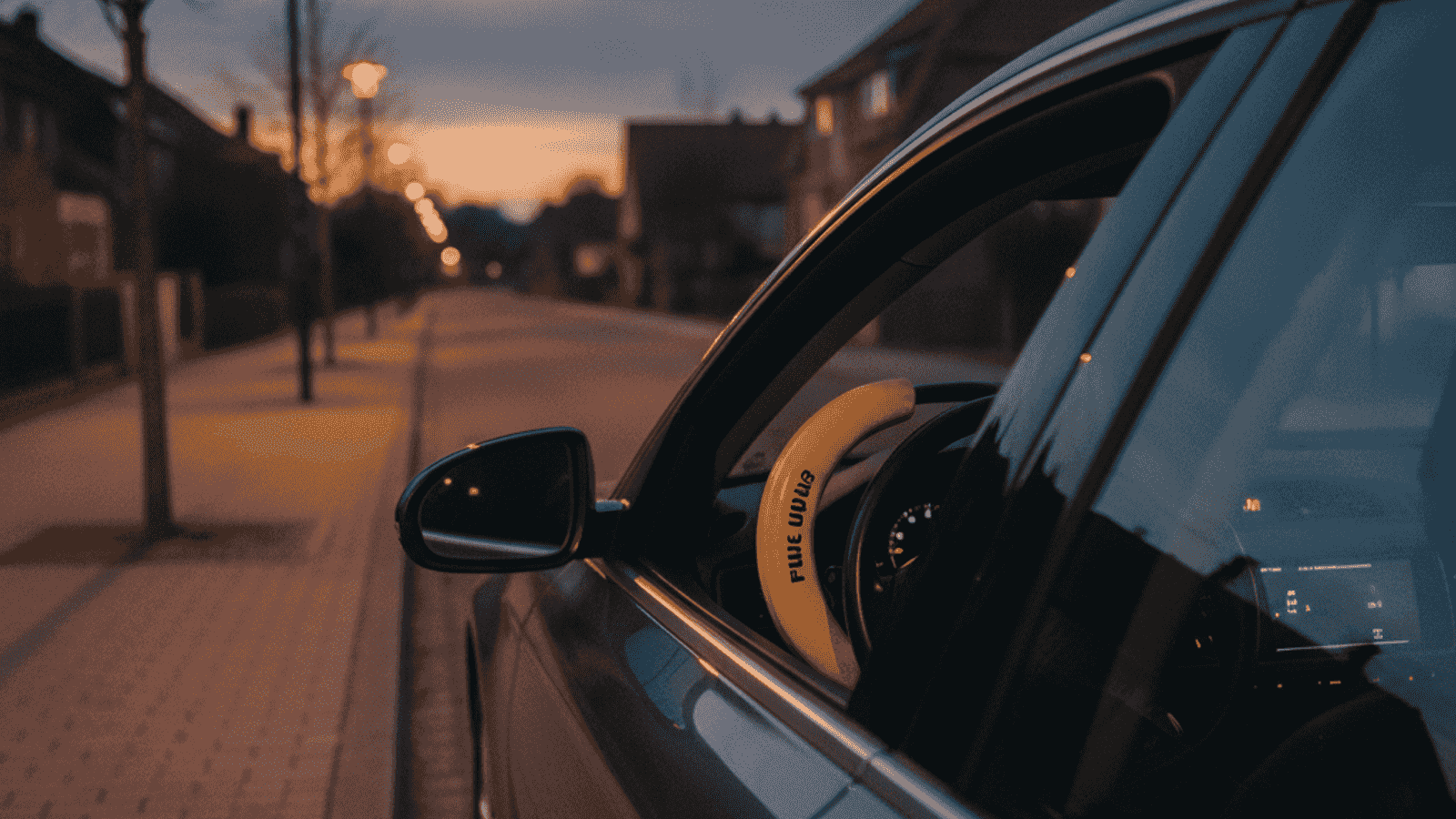
1. Mechanical steering wheel lock. The classic yellow lock that fits over the steering wheel. It is visible through the windscreen and acts as a visual deterrent. A thief choosing between two identical cars in a car park will always pick the one without a lock. This measure does not protect against an organised thief, but it does protect against an opportunist, and opportunists account for the majority of thefts in BiH. An added benefit: even if the thief enters the car, the steering lock physically prevents steering, forcing them to spend time removing it.
2. Faraday pouch for the key (for keyless models). If your car has a keyless system, this is mandatory. Place the key in the Faraday pouch every time you leave the car. At home, keep the key in the pouch or a metal box, well away from the front door. If you have two keys, both must be protected because the thief can intercept the signal from either one.
3. Parking in well-lit and busy areas. It sounds obvious, but statistics confirm its effectiveness. Criminal experience shows they avoid well-lit spots because the risk of being identified is too high. If possible, park in front of a camera. Most thieves automatically move on to the next target. Park the car with the front bumper facing a wall or another car, as this makes it harder to tow the vehicle.
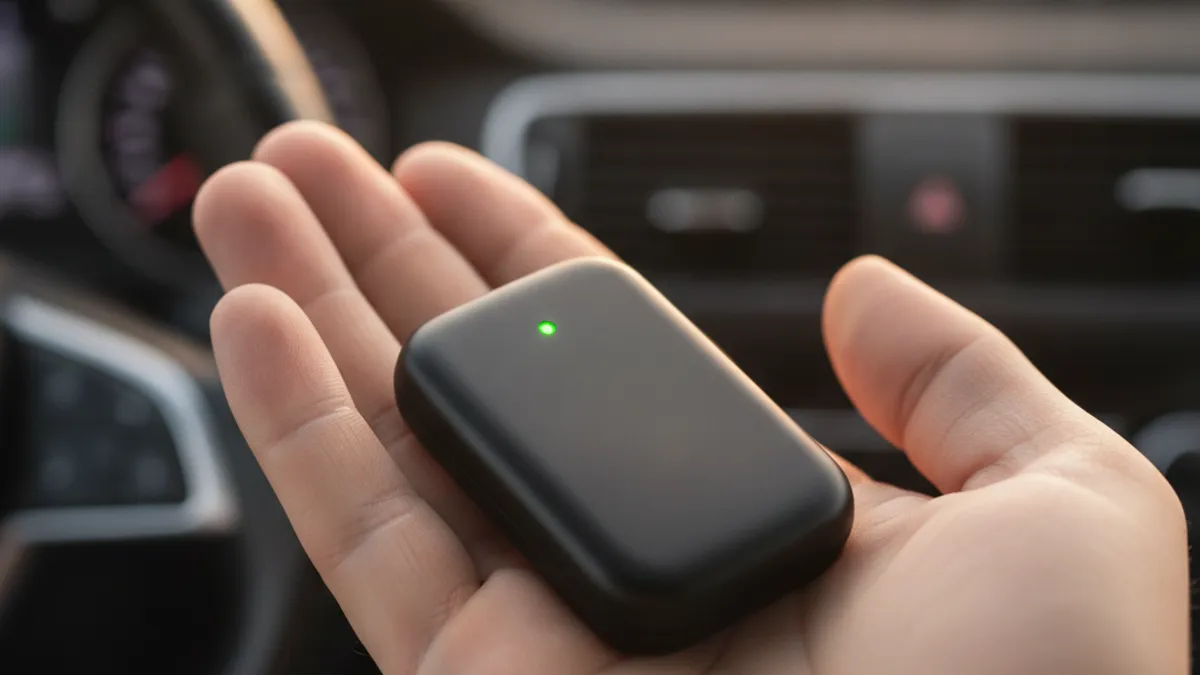
4. GPS tracking device. A standalone GPS device hidden in the car does not prevent theft, but drastically increases the chances of recovering a stolen vehicle. The device sends the location to your phone in real time. Important: the device should be hidden in a place the thief will not easily find. Under the rear seat, behind the boot lining or beneath the dashboard are common spots. Avoid the OBD port because professional thieves check it first.
5. Aftermarket alarm with tilt and shock sensors. A factory alarm is the minimum, but aftermarket systems offer a tilt sensor (reacts to the car being raised, useful against catalytic converter theft), a shock sensor (reacts to impacts and vibrations) and two-way communication that notifies the owner via the remote. This is particularly useful for cars parked on the street. When choosing an alarm, look for a system with independent sirens that keep working even when the thief cuts the power.
6. Catalytic converter guard shield. For models on the at-risk list, a metal guard shield is mounted around the catalytic converter and extends the time a thief needs for cutting from one minute to 10-15 minutes. Most thieves give up within that time because the risk of being discovered is too high.
Combining a steering wheel lock, Faraday pouch and GPS tracking covers the three most common theft scenarios in BiH: opportunistic theft of an older car, relay attack on a newer car and the ability to quickly locate the vehicle if theft does occur. For drivers who have a problem with central locking, additional protection measures are especially important because a faulty locking system makes the car an easier target.
What Comprehensive Insurance Covers and What It Does Not in Case of Theft
Does Comprehensive Insurance Cover Car Theft in BiH
Comprehensive insurance (kasko) in BiH can cover vehicle theft, but only if the policy explicitly includes the theft risk. Basic comprehensive insurance with some insurers does NOT automatically include theft. Before relying on your policy, check the following.
First, whether your policy includes the risk of "theft and robbery" or only "partial theft" (theft of parts). These are two different risks covering different scenarios. Theft of an entire vehicle and theft of a catalytic converter fall into different categories with insurers. If you only have cover for whole-vehicle theft, a stolen catalytic converter will likely not be covered.
Second, pay attention to the conditions. Some policies require the car to be parked in a locked garage at night, that you have an alarm, or that you report the theft to the police within 24 hours. Failing any condition can mean the claim is rejected. The reporting deadline is especially important: if you delay reporting to the police because you were on holiday or did not notice the theft immediately, the insurer can refuse payment.
Third, the excess. Even when comprehensive insurance covers theft, there is an amount you bear yourself. For older cars, the excess can be a significant portion of the car's value, which practically makes filing a claim pointless. Before choosing comprehensive insurance with theft cover, calculate the ratio between the annual premium, the excess and your car's market value.
Mandatory motor insurance (AO policy) does NOT cover theft of your vehicle. AO covers damage you cause to others, not damage to your own car. For theft protection, you need comprehensive insurance with the theft risk explicitly included.
What to Do If Your Car Is Stolen
If you discover that your car has been stolen, act fast. Every hour that passes reduces the chances of recovery. Here is the precise sequence of steps.
First, call the police immediately. Report the theft with the exact location, the time you last saw the car, the registration plates, make, model, colour and any distinguishing features (scratches, stickers, special alloy wheels). The more precise a description you give, the better. Request a case number, which you will need for the insurance company.
Second, check your GPS device if you have one. If the GPS shows a location, do NOT go yourself. Forward the location to the police. Thieves who steal cars can be dangerous, and confronting them is never a good idea.
Third, notify your insurance company within the deadline your policy prescribes, usually 24-48 hours. Prepare a copy of the police report, vehicle registration document and policy. Photos of the car before the theft are useful for damage assessment.
Fourth, check whether you have photos of the car showing the registration plate, odometer reading and any special details. These photos help with identification if the car is found. If you have a problem with the immobiliser and key chip, be sure to tell the police whether the car had a working anti-theft ignition system.
When buying a used car, checking the vehicle's documented history can reveal whether the car was reported stolen, had its odometer rolled back, or has recorded accidents in registries. Using the chassis number, carVertical pulls the entire documented history from international registries: odometer readings by date, recorded damage, number of previous owners and indicators of theft or total loss. We consider this an essential step before buying any used car. When paying for the report, you can use the code GAGA to get a 20% discount.
Found a car you are considering? Book a pre-purchase inspection or message us on WhatsApp with the listing link before you put down a deposit.
Frequently Asked Questions
Which cars are stolen most often in BiH?
Volkswagen is the most stolen brand in BiH, followed by Škoda and Opel. This is a direct consequence of how common these brands are on local roads. Parts for the VW Golf, Passat and Polo are in highest demand on the black market, making them the primary target for thieves.
What is a relay attack and how can you protect yourself?
A relay attack is a method of stealing cars with keyless systems. Two thieves use a signal amplifier to relay the signal from your key inside your house to the car and unlock it without physical contact. Protection is straightforward: keep your key in a Faraday pouch or a metal box that blocks the radio signal.
How much does a Faraday pouch for a car key cost?
Faraday pouches are a relatively inexpensive device and are easily ordered online. They are rarely available in physical shops in BiH, but can be found on all major online platforms. Before buying, verify that the pouch actually blocks the signal by placing the key inside and trying to unlock the car.
Does comprehensive insurance cover car theft?
Comprehensive insurance can cover theft, but only if the policy explicitly includes the "theft and robbery" risk. Basic comprehensive cover with some insurers does not include theft automatically. Check your policy conditions, especially obligations around reporting within 24 hours and parking requirements.
What should I do if my catalytic converter is stolen?
If you notice your car is suddenly much louder and sounds as though it has no exhaust, the catalytic converter has likely been stolen. Do not drive the car longer than necessary because unfiltered exhaust gases can damage other components. Report the theft to the police and contact your insurance company if you have comprehensive cover for parts theft.
Does a GPS device prevent car theft?
A GPS device does not prevent theft directly, but it drastically increases the chances of recovering a stolen vehicle. The device sends the location to your phone in real time. The key is that it must be well hidden in the car and have an independent power supply or be connected to the battery with minimal current draw.