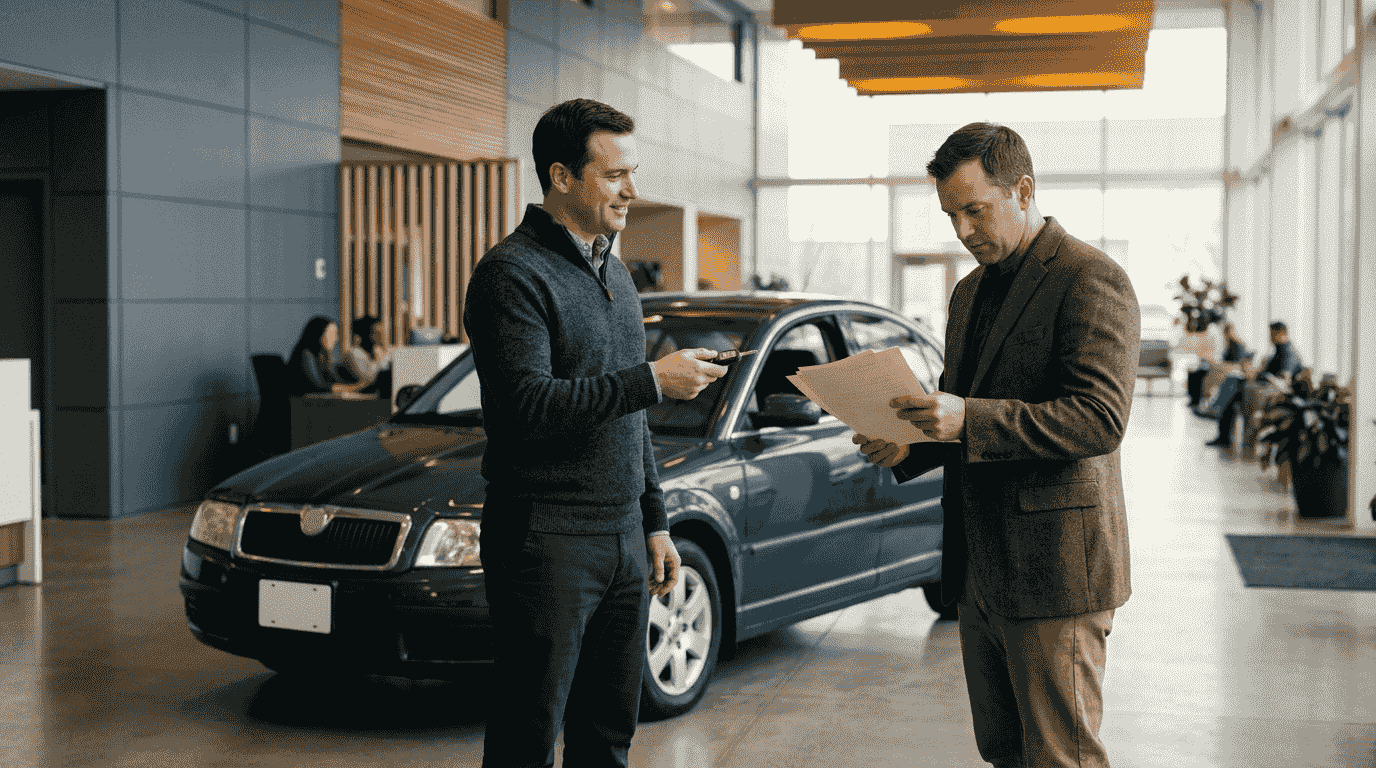
Negotiating a car sale in BiH rarely goes smoothly from the first phone call to a signed contract. The buyer pushes the price down, demands a discount for every scratch, and you have no idea how far you can bend before the deal stops making sense. But price is not the only battleground. According to a regional survey of 24,000 respondents across 35 countries, 67% of buyers do not trust car sellers. At the same time, 67% of sellers claim they are completely honest. That trust paradox means every seller in BiH must actively build credibility rather than wait for a buyer to simply take their word for it.
This guide was compiled by the Auto Gas Gaga workshop in Banja Luka, based on experience with hundreds of clients who have bought or sold used cars.
This article is part of a series of guides on selling a used car in BiH in 2026. The complete plan covering vehicle preparation and pricing, writing a quality OLX listing and purchase agreement with notarisation, through to negotiation and scam protection at handover, with comparison tables, detailed real-world examples, and links to each step, can be found in the complete guide to selling a used car in BiH 2026.
Table of Contents
- Why Buyers Distrust Sellers and How to Turn It to Your Advantage
- How to Negotiate When Selling a Car in BiH
- When to Lower the Price and When to Hold Firm
- Car Sale Scams Targeting Sellers in BiH
- Physical Safety When Meeting a Buyer
- The Test Drive as a Seller Protocol
- EU Rules 2026 and What They Mean for Sellers in BiH
- How a Pre-Purchase Inspection Works for You, Not Against You
- Frequently Asked Questions
- Related Articles
Why Buyers Distrust Sellers and How to Turn It to Your Advantage
Buyer distrust is not a personal insult. It is the product of a market where rolled-back odometers, resprayed panels after collisions, and fake "imported from Germany" labels have become so common that a cautious buyer is actually being smart. Instead of resenting the distrust, use it. A seller who offers transparency first always has an edge over one who waits to be pressed.
In practice, this means: prepare the service booklet with stamps and show it at the first meeting without waiting to be asked. If you have receipts for major repairs (clutch replacement, timing belt kit, turbo), bring them along. A buyer who sees you being proactive automatically puts you in the "serious seller" category rather than the "hiding something" category.
The data speaks for itself: 75% of sellers never offer a vehicle inspection on their own initiative. That means if you do, you are immediately in the top 25%. A buyer who feels you have nothing to hide negotiates less aggressively on price. And that is exactly what you want.
If you previously followed our guide on preparing a car for sale, you already have a listing with quality photos and a realistic description of the car's condition. Now the task is to carry that credibility into a live conversation with the buyer.
How to Negotiate When Selling a Car in BiH
Set the initial listing price 5-15% above the actual market value. Buyers in BiH expect to negotiate. If you list the exact amount you want, the first buyer drops you below your threshold and you feel cheated. If you list too high, nobody calls.
The golden rule: know your floor BEFORE you answer the phone. This is the amount below which you will not sell. Write it down, save it in your phone, keep it in front of you. When the buyer starts negotiating, you are not thinking on the spot but comparing the offer to a number you have already decided on.
Negotiation proceeds in stages. The buyer first asks for a big discount ("give it to me for five thousand"). You respond with specifics, never abstractions. Instead of "I can't go that low", say "the car has new brake pads, a replaced water pump, and a full set of winter tyres - it's not going for five." Every argument you make must be tied to something concrete about the car, not your personal needs or wishes.
Never justify the price with personal reasons. "I need it for a loan" or "that's what I paid for it" are arguments that tell the buyer you are either desperate or irrational. The argument is always the car's condition and comparable market listings.
If you used our guide on setting a realistic selling price, you have data on what the same model sells for on the market. That is your strongest argument: "Look at what's listed for the same year and mileage - mine has had a full major service and costs less."
When to Accept a Lower Price and When to Refuse
Making concessions is not weakness. Making a concession at the right moment is a sales skill. Here are concrete situations.
Lower the price when the buyer arrives with cash, is ready for an immediate transfer, and accepts the car as-is. Cash in hand eliminates the risk of cancellations, delays, and complications. Also lower the price when you have two or three interested buyers but nobody is closing, and the car has been sitting for a month or more. The market is telling you the price is too high.
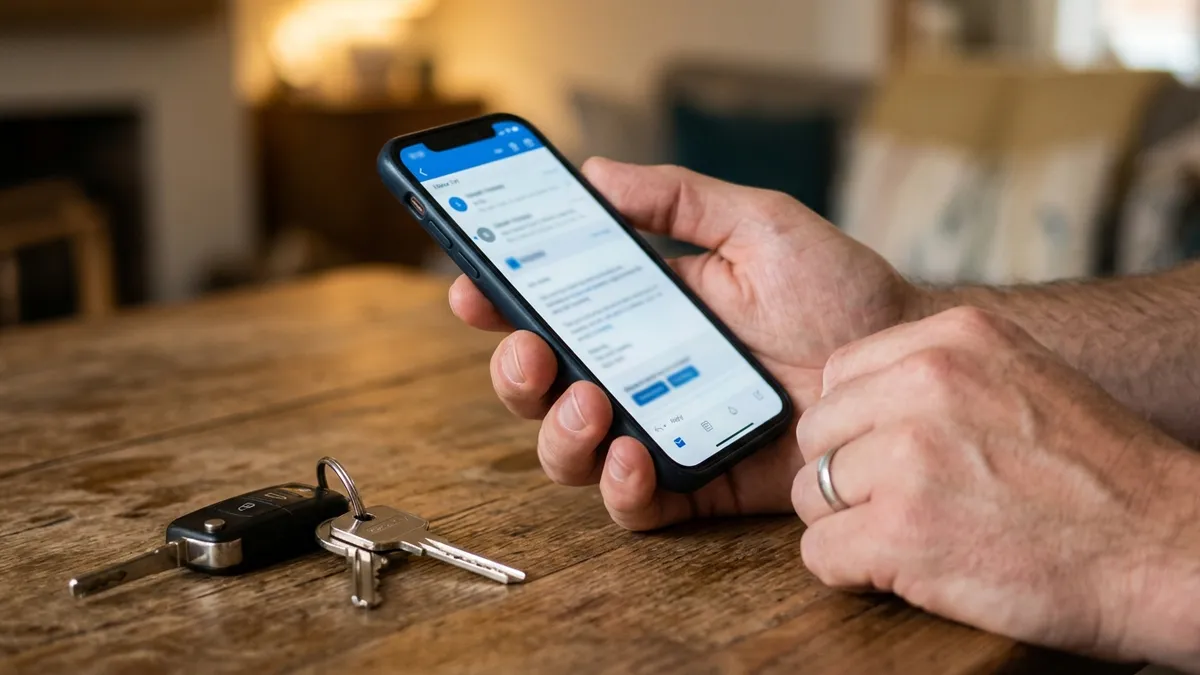
Do not lower the price when the buyer asks you to "see how much lower you can go" without making a specific offer. This is a tactic that puts you on the defensive. Always ask for a concrete figure: "How much are you offering?" If the buyer does not want to name a number, they probably have no serious intention to buy.
Do not lower the price when the buyer uses emotional pressure: "That's all I have", "My child needs a car for work", "My insurance expires tomorrow." Any urgency is a signal for caution, not for concessions. A serious buyer makes a serious offer with a deadline, not emotional statements.
Car Sale Scams Targeting Sellers in BiH
Most guides about scams on the used car market are written from the buyer's perspective. But sellers are equally vulnerable, especially those selling for the first time with no negotiation experience. Here are seven traps that appear on the BiH market and across the region.
1. Fake bank transfer confirmation. The buyer shows you a text message or screenshot of a transfer "confirmation". They say they have paid and ask for the keys. You check your account only after they leave, and there is nothing there. Protection: never hand over the car until you see the money in your account through mobile banking or at the bank counter. A text notification the buyer shows you from their phone is not proof.
2. Cheque or payment larger than the agreed price. The buyer "accidentally" pays 2,000 KM more and asks you to return the difference in cash immediately. You return the money, and two or three days later the cheque bounces or the transfer is reversed. You are left without the difference and without the car. Protection: never accept a payment larger than the agreed price. If it happens, wait at least five business days for the bank to confirm the funds are irrevocably cleared.
3. The urgent buyer who is in a rush. They call you, say they are buying immediately, do not negotiate the price, and just ask you to send your account number and leave the car "for them to pick up in an hour." The urgency is designed to prevent you from thinking clearly. Protection: any purchase that does not include a physical meeting, car inspection, and signing of a purchase agreement before a notary is a warning sign.
4. Fake military buyer or diaspora buyer. Someone contacts you claiming to be in the military or living abroad and unable to come in person. They offer the full price plus transport costs. They send a "cheque" or "transfer confirmation" and ask you to pay for the tow truck or courier to collect the car. Protection: do not sell a car to anyone who has not seen it and whom you have not met in person.
5. The buyer requests power of attorney instead of ownership transfer. Instead of going to the police station to transfer the title, the buyer suggests you give them power of attorney so they can "handle it themselves when they have time." If the buyer does not re-register the car, you remain the owner on paper while they drive it, accumulating fines, causing accidents, or racking up unpaid parking. Protection: insist on immediate ownership transfer. If the buyer delays re-registration, contact the police. The car is transferred on the day of sale, never "later".
6. Counterfeit banknotes. A significant percentage of car transactions in BiH are still paid in cash. Counterfeit 100 and 200 KM notes are in circulation. Protection: count and inspect the cash at the bank counter immediately before handing over the car. The bank has a UV lamp and a counting machine that detects counterfeits. Never count money in a car, in a car park, or in a cafe.
7. Fake buyer who copies your personal data. They call you, ask many questions, request a photo of your ID card "because their company needs it", your account number, your personal identification number. The goal is not a purchase but identity theft. Protection: show personal documents only when signing the agreement before a notary. Never send photos of documents via messages or email.
Physical Safety When Meeting a Buyer
Selling a car means meeting a stranger who is carrying a large sum of money, or you are carrying a car worth a large sum. Physical safety is not paranoia. It is common sense that every experienced seller practises.
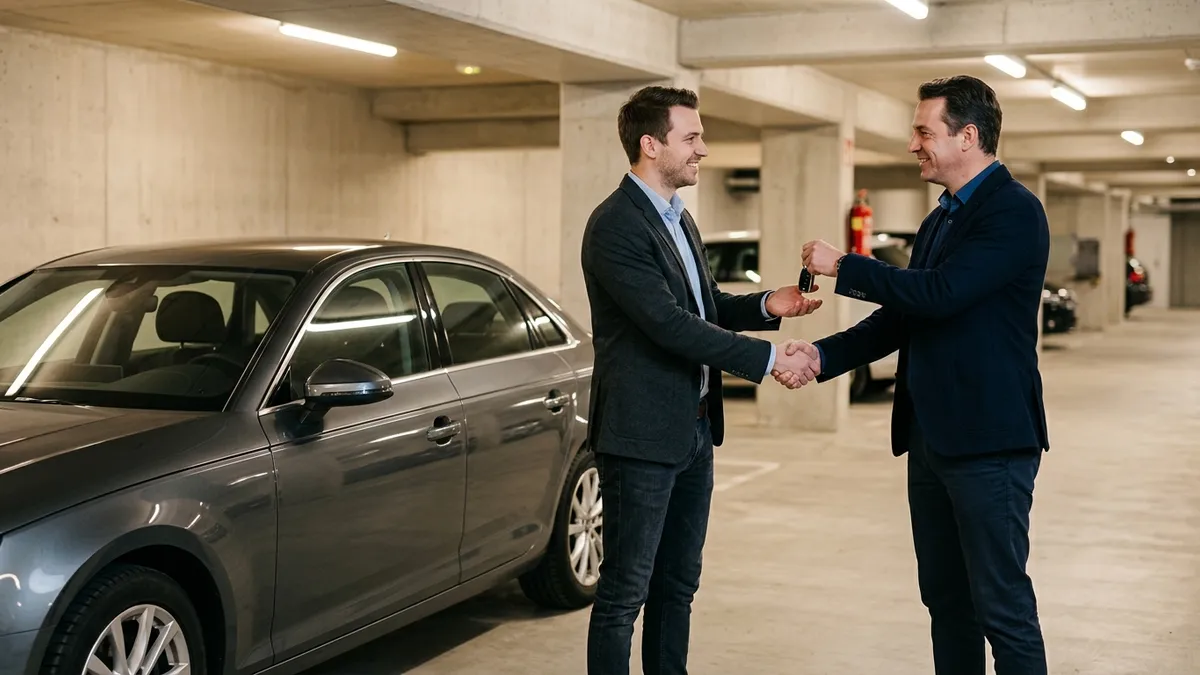
Rule number one: meet in a public place with cameras. Ideally in front of a police station, in a bank car park, or outside a shopping centre. Never invite an unknown buyer to your home and never go alone to an address the buyer suggests, especially if it is an isolated location outside the city.
Rule number two: tell someone where you are going. Send a message with the meeting location, the buyer's name (if you have it), and the registration of the car the buyer is arriving in. Agree on a time by which you will check in. This sounds dramatic, but it takes thirty seconds and can make an enormous difference.
Rule number three: photograph the buyer's driving licence before the test drive. Tell them openly: "I'm photographing your licence - standard procedure." A serious buyer will have no problem with this. An unserious buyer will back out, which is exactly what you want.
Rule number four: do not carry cash with you to the meeting. If you are the seller and expect the buyer to bring cash, arrange to meet directly in front of a bank. Counting, verification, and deposit into your account happen immediately at the counter. Only after the money is in your account do you hand over the keys and documents.
The Test Drive as a Seller Protocol
Nine out of ten buyers refuse to purchase a car without a test drive and physical inspection. That is their right and a reasonable thing to do. But the test drive is also the moment when you are most vulnerable as a seller, because someone else is sitting behind the wheel of your car.
The protocol for a safe test drive has several clear steps.
Photograph the buyer's driving licence. If they do not have a valid licence, there is no test drive. The law is clear, and you are liable if an unauthorised person drives your car and causes an accident.
You choose the route. Short, familiar, preferably in an area with cameras and traffic. Never agree to "let me drive it home to show my wife" or "let me try it on the motorway." You sit in the passenger seat throughout the entire drive and never get out of the car while the buyer is driving.
The key is always with you. If the buyer wants to stop and look at something under the bonnet, you turn off the engine and remove the key. The key never leaves your hand or pocket.
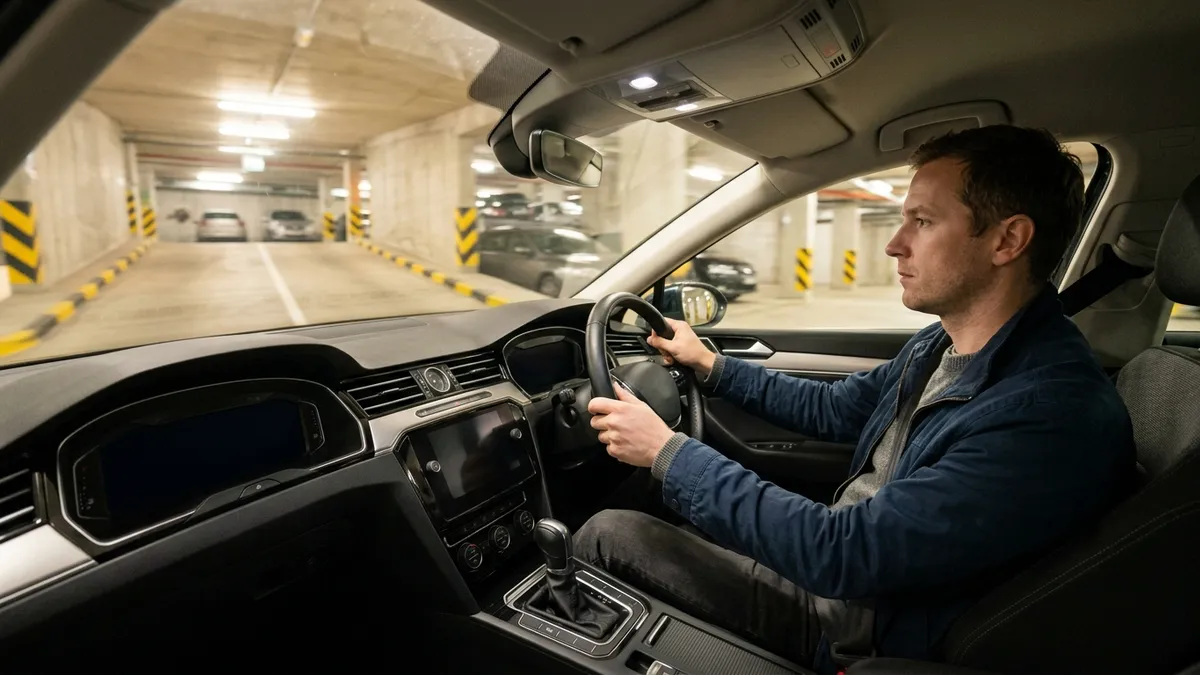
If the buyer insists on going alone, refuse. No serious buyer will have a problem with the seller sitting beside them. If they insist on driving alone, that is a signal you must not ignore.
What to Ask from the Buyer Before a Test Drive
Minimum checklist: a valid driving licence (which you photograph), a phone number (confirm with a call on the spot), and that the buyer leaves their documents with you for the duration of the drive. This is not rude. It is reciprocity: they drive your car, you hold their ID. If you have a listing written according to our guide, the buyer arrives already informed about the car's condition, so the test drive confirms what they read rather than uncovering surprises.
EU Rules 2026 and What They Mean for Sellers in BiH
The European Union from 2026 introduces a mandatory proof that a vehicle is not end-of-life under the new ELV regulation. Specifically, for every vehicle sold, resold, deregistered, or exported within the EU, a valid MOT certificate or a court expert's assessment must be submitted. Without this document, the vehicle cannot be re-registered or exported within the EU.
Bosnia and Herzegovina is not an EU member state and this regulation does not apply directly to the BiH market. However, for sellers in BiH, this rule has practical implications in three specific cases.
First, if you are selling a car previously registered in the EU (imported from Germany, Austria, Italy), a buyer who plans to re-export that car to an EU country will have a problem if there is no valid MOT certificate or expert assessment. This can affect the price and your negotiating position.
Second, BiH buyers who purchase cars with the intention of reselling them in the EU (which is not uncommon) will demand documentation from you that meets EU standards. If you do not have it, they lose interest or demand a larger discount.
Third, this regulation is a signal that regulatory standards across the region are tightening. It is not a question of whether BiH will adopt similar measures, but when. A seller who already keeps their documentation in order (valid MOT, service booklet with stamps, clear ownership chain) will be better prepared when the rules become stricter.
How a Pre-Purchase Inspection Works for You, Not Against You
Most sellers view a pre-purchase inspection as a threat. The buyer brings a mechanic or asks to take the car to a workshop, and you think: "They'll find something and demand a discount." But look at it from the other angle.
A pre-purchase inspection that shows the car is in good condition is your strongest negotiating card. A buyer who has paid for an inspection and received a positive report has no arguments for pushing the price down. They have already invested money and time, and psychologically they are closer to buying than they were before the inspection.
Moreover, if you offer the inspection yourself, the buyer automatically perceives you as a seller with nothing to hide. 75% of sellers do not do this, which means you are automatically in the minority that actively builds trust rather than waiting for it passively.
If the buyer asks to take the car to a workshop of their choice, agree. But also suggest an alternative: book an inspection at an independent workshop. An independent workshop with no stake in either the sale or the purchase gives an objective picture. That report then protects both parties and, for you, eliminates the risk of subsequent claims about "hidden defects" you failed to disclose.
When the buyer requests a vehicle history report before purchasing, this also works in your favour. Using the chassis number, it is possible to pull documented vehicle history from international databases: actual mileage by date, recorded accidents, number of previous owners, and data on total loss or theft. If your car is clean, that report is your proof. The buyer can order it through carVertical, and when paying they can use the code GAGA for a 20% discount. We consider this an essential step before any used car purchase, and from the seller's perspective, a clean report accelerates the sale and removes doubt.
Found a buyer who is seriously considering your car? Book a pre-purchase inspection or message us on WhatsApp with the details, and we will give the buyer an objective assessment of the vehicle's condition that speeds up the decision.
Frequently Asked Questions
What percentage discount is normal to give a buyer?
In practice, a discount of 3-7% off the listed price is standard on the BiH market. If you set the price 5-15% above your target, you have room to negotiate while still landing on your desired figure. A discount exceeding 10% of the listed price signals to the buyer that you set the price too high or that you are desperate to sell.
How do you spot a fake bank transfer confirmation?
The only reliable way is to check your account balance yourself through mobile banking or at the bank counter. Do not accept a screenshot, text message, or email that the buyer shows you from their phone. A real transfer is visible on your screen, in your app, using your login credentials.
Do I need to sign a purchase agreement if the buyer pays in cash?
Absolutely. A purchase agreement protects both parties regardless of the payment method. Notarisation costs very little, and without an agreement you have no legal proof of the sale. We covered the details of the agreement format and required documents in the purchase agreement guide.
What if the buyer refuses to let me photograph their licence before the test drive?
Do not agree to a test drive. A serious buyer understands that this is a standard safety measure. A buyer who refuses to show their document before getting behind the wheel of your car is not a buyer you want.
Does the EU ELV regulation apply in BiH?
No, BiH is not an EU member state and the regulation does not apply directly. However, it affects sellers who are selling ex-EU vehicles or whose buyers plan to export to the EU. It is also a signal that regulations across the region are tightening, so it is wise to keep your documentation in order now.
Where is the safest place to carry out the car handover?
In front of a police station, in a bank car park, or outside a shopping centre with CCTV. Never at the buyer's or seller's home, especially not at isolated locations. Count cash and make the deposit at the bank counter, never in a car or a cafe.