
The headlines arrived faster than the regulation itself. "EU bans used car exports", "No more importing old cars from 2026", "BiH left without cheap Golfs". The truth is very different from what regional news portals copy from one another. The EU end-of-life vehicle regulation exists, a political agreement has been reached, but the timeline and actual impact on used car imports to BiH are far from the panic spreading across social media and article comment sections.
This guide was compiled by Auto Gas Gaga workshop in Banja Luka, based on monitoring the EU regulatory process and years of hands-on experience with imported used vehicles.
Table of Contents
- What Is the EU ELV Regulation and Why Is Everyone Talking About It
- Timeline: When Does Each Phase Actually Apply
- What Specifically Changes for Used Car Imports to BiH
- Which Cars Are Classified as End-of-Life Under the EU ELV Regulation
- Private vs Commercial Sales Under the EU ELV Regulation
- Can You Still Import a Used Car from the EU to BiH from 2026
- What Importers and Brokers Are Saying
- Will Used Car Prices in BiH Rise Because of the EU Regulation
- What to Do If You Plan to Import a Car in the Next Five Years
- Frequently Asked Questions
- Related Articles
What Is the EU ELV Regulation and Why Is Everyone Talking About It
ELV stands for End-of-Life Vehicles. This is a revised EU regulation that changes the rules for the entire lifecycle of a car — from design and manufacturing to decommissioning and recycling. The regulation replaces the old directive from 2000, which focused solely on decommissioning and managing end-of-life vehicles within the EU.
The new regulation is part of the European Green Deal and has broader ambitions. It mandates a minimum percentage of recycled material in new vehicles, requires manufacturers to design cars for easier disassembly at end of life, and introduces new rules for exporting used vehicles to non-EU countries. It is precisely this last part that concerns BiH drivers.
The European Parliament and the Council reached a provisional political agreement on the new ELV regulation on 12 December 2025. Coreper (the Committee of Permanent Representatives of Member State Governments) endorsed the text on 25 February 2026, and the plenary vote in the European Parliament is scheduled for June 2026.
What is important to understand: the regulation has not yet been formally adopted. It is going through the final steps of the legislative process. Once adopted and published in the Official Journal of the EU, a series of application deadlines follow — most of which are years away from today.
So why is everyone talking about it? Because one segment of the regulation directly affects the export of used vehicles from the EU to non-EU countries, and BiH is a non-EU country. For every new car registered in BiH in February 2026, there were nine used ones. Out of 6,858 first registrations that month, only 752 were new vehicles. The rest were imported used cars. Any change to EU export rules is a serious matter for us, and Bosnian-Herzegovinian media picked up sensationalised headlines without providing context about the timelines.
Timeline: When Does Each Phase Actually Apply
This is the key issue that regional media most often get wrong. There are three completely different dates, and each one means something different. The difference between them is not cosmetic — it is fundamental.
Entry into force occurs 20 days after the regulation is published in the Official Journal of the EU. This is an administrative step meaning the regulation becomes part of the EU legal framework, but nothing is applied on the ground yet. Nobody has to change anything on that day.
Start of application begins 2 years after entry into force. This is when new requirements start applying within the EU. For manufacturers, it means new rules for vehicle design and material recyclability. For used car dealers within the EU, it means a documentation obligation proving roadworthiness at the point of commercial sale. A buyer in Germany purchasing a used car from a dealer will need to receive proof that the car has not been classified as end-of-life.
The ban on exporting unroadworthy vehicles to non-EU countries starts 5 years after the regulation enters into force. Realistically, this means around 2031. Only then does the EU introduce the requirement that every vehicle intended for commercial export to a non-EU country must have a valid roadworthiness certificate or an assessment by an independent expert confirming it is not end-of-life.
| Phase | Approximate date | What it means for BiH |
|---|---|---|
| Political agreement | December 2025 | Reached, awaiting formal vote |
| European Parliament vote | June 2026 | Adoption expected |
| Entry into force | Estimated: late 2026 or early 2027 | Publication in the Official Journal + 20 days |
| Application within the EU | Estimated: 2028–2029 | New rules for commercial sales within the EU |
| Ban on exporting unroadworthy vehicles | Estimated: 2031–2032 | Roadworthiness certificate required for export |
So the claims that nothing can be imported from 2026 onwards are simply untrue. The ban on exporting unroadworthy vehicles is at least five years away, and it only applies to vehicles that meet the objective criteria for being classified as end-of-life.
What Specifically Changes for Used Car Imports to BiH
When the ban takes effect (around 2031), every vehicle commercially exported from the EU to a non-EU country will need one of two things: a valid roadworthiness certificate (TUV in Germany, Pickerl in Austria) or an assessment by an independent court-appointed expert confirming the vehicle is not end-of-life.
For BiH, this practically means the following. Currently, BiH imports between 50,000 and 70,000 used cars per year. In the first seven months of 2025, 49,541 used vehicles were imported — an increase of 4,000 compared to the same period in 2024. Most come from Germany, Austria, Switzerland, and Slovenia, purchased through dealers who already provide a roadworthiness certificate as standard with every vehicle.
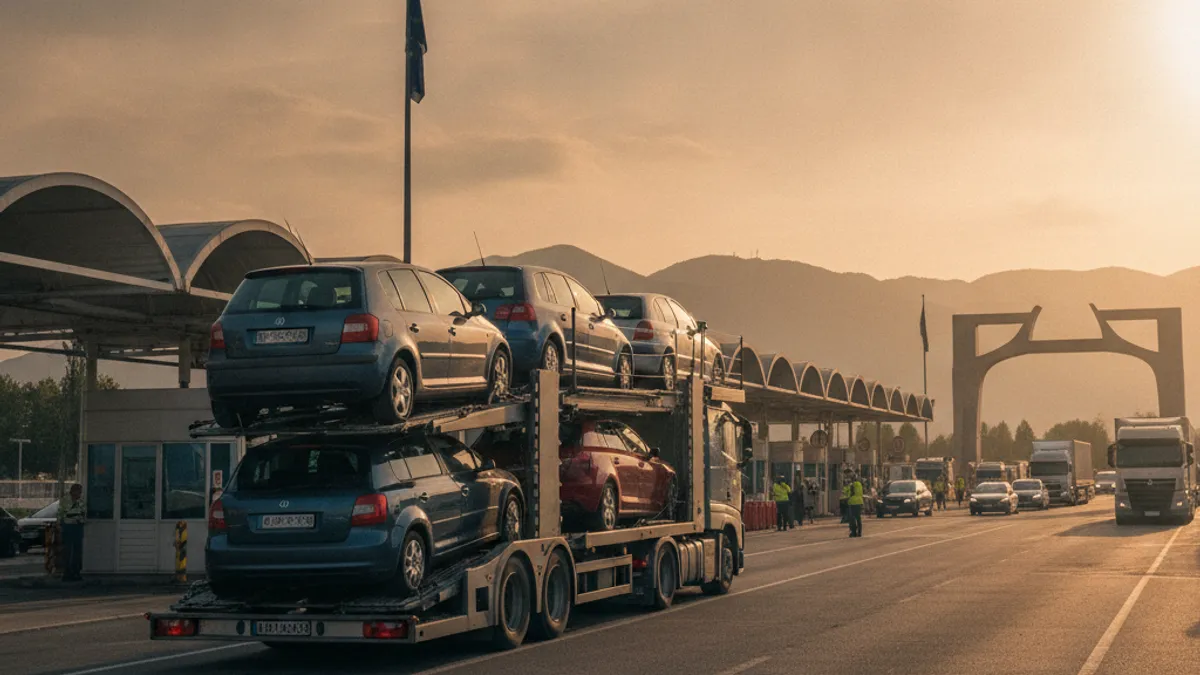
For legitimate importers who operate by the book, the change will be minimal. Even today, every serious importer from Germany requests and receives a TUV certificate or equivalent because it facilitates customs clearance and registration in BiH. The regulation merely formalises what is already standard practice on the legal market.
The problem arises in the grey market. Vehicles that are currently exported without documentation, with expired roadworthiness certificates, or with serious structural damage will not be able to legally leave the EU after 2031. This means that a portion of the cheapest offers on the market could disappear — those cars bought without paperwork and without any guarantee of roadworthiness, with corroded load-bearing structures or concealed crash damage.
For buyers in BiH who purchase from verified importers or personally visit a registered dealer in the EU, the consequences are practically non-existent. The documentation you receive today already meets all the requirements that will apply after 2031.
Which Cars Are Classified as End-of-Life Under the EU ELV Regulation
The regulation defines clear criteria for classifying a vehicle as end-of-life. This is not an arbitrary assessment — it is a list of specific physical conditions that must disqualify a vehicle from legal sale as a used car.
A vehicle is considered end-of-life if it has serious physical damage caused by flooding (water above the dashboard), fire, or if the bodywork has been cut to the extent that structural integrity is compromised. Suspension, steering, brakes, or chassis that are irreparable to factory standards also classify a vehicle as end-of-life.
Severe corrosion of the load-bearing structure is one of the most important criteria. A car whose sills, floor pan, or engine mounts are corroded beyond the point where they can be repaired by welding and panel replacement is treated as waste, not as a used car. This is particularly relevant for the BiH market, as older cars from northern European countries often arrive with advanced corrosion that sellers hide with paint and filler.
Finally, an engine or gearbox swap that changes the vehicle's identity (a different engine type from the original, a different displacement, a different drivetrain type) can also classify a vehicle as end-of-life under the new regulation.
| Criterion | Example | Why it matters for a BiH buyer |
|---|---|---|
| Flood damage | Water above the dashboard | Electrical problems that appear months after purchase |
| Fire damage | Damage to the cabin or engine bay | Compromised structural safety |
| Load-bearing structure | Corrosion of sills, floor pan, engine mounts | Common problem with imports from Scandinavia and Benelux |
| Suspension, steering, brakes | Irreparable to factory specifications | Direct safety hazard |
| Vehicle identity | Engine swap changing type or displacement | Problems with registration and insurance in BiH |
It is important to note what is not listed here. Normal wear and tear (worn tyres, worn brake pads, high mileage) does not make a car end-of-life. A car with 300,000 kilometres that is technically sound can still be legally exported. The regulation targets genuinely unroadworthy vehicles that currently end up in non-EU markets as "used cars" when they are effectively scrap.
Private vs Commercial Sales Under the EU ELV Regulation
One detail that the media almost never mention: private sales are exempt from the documentation requirement. The regulation applies to commercial sales — meaning sales through registered dealers, vehicle sales platforms, and leasing companies.
If a private individual in Germany sells their car to a private individual from BiH, that transaction does not require a roadworthiness certificate under the regulation. Of course, all customs and registration rules in BiH still apply, but the act of sale itself from the EU is not restricted by the end-of-life vehicle regulation. This does not mean buying from a private seller is automatically safer or cheaper — only that the regulation does not govern that transaction.
In practice, most imports to BiH go through commercial channels because private buyers rarely travel to another country to collect a car themselves. Freight forwarders, importers, and car dealerships in BiH buy cars at German and Austrian auctions or from dealers, and these are precisely the commercial transactions to which the regulation applies. Private on-site purchases exist but make up a smaller share of total imports.
Can You Still Import a Used Car from the EU to BiH from 2026
Yes, you can. Without any new restrictions. In June 2026, the only thing happening is the European Parliament vote on formal adoption of the regulation. Even after adoption, the ban on exporting unroadworthy vehicles does not kick in until 5 years later.
Until then, absolutely nothing changes in the import process. If you have been planning to buy a car in Germany, you drive it back or have a freight forwarder deliver it, clear it through customs, pay the duties, and register it in BiH. The same procedure as before, the same documentation, the same costs.
The only thing to keep in mind is that within the EU, new rules for commercial sales are gradually being introduced — but that does not mean a ban. It means the dealer you buy from will need to provide a roadworthiness certificate with the car. If you are buying from a reputable dealer in Germany or Austria, you already receive this as a standard part of the purchase.
For a detailed overview of the entire import process, from purchase to registration, see our complete guide to importing a used car from the EU to BiH.
What Importers and Brokers Are Saying
Regional importers and freight forwarders working in this market confirm something that should reassure worried buyers: every vehicle purchased from a registered EU dealer already comes with a roadworthiness certificate as standard. Their position is clear — for legitimate importers, there will be practically no change because the documentation the regulation requires is already part of everyday business.
What does change is the pressure on illegal trade. Vehicles that are currently bought at scrapyards in Germany, registered on short-term plates, and exported to BiH as "roadworthy" will be harder to place once the regulation takes effect. This is actually a positive development because it means fewer effectively unroadworthy vehicles will reach our market.
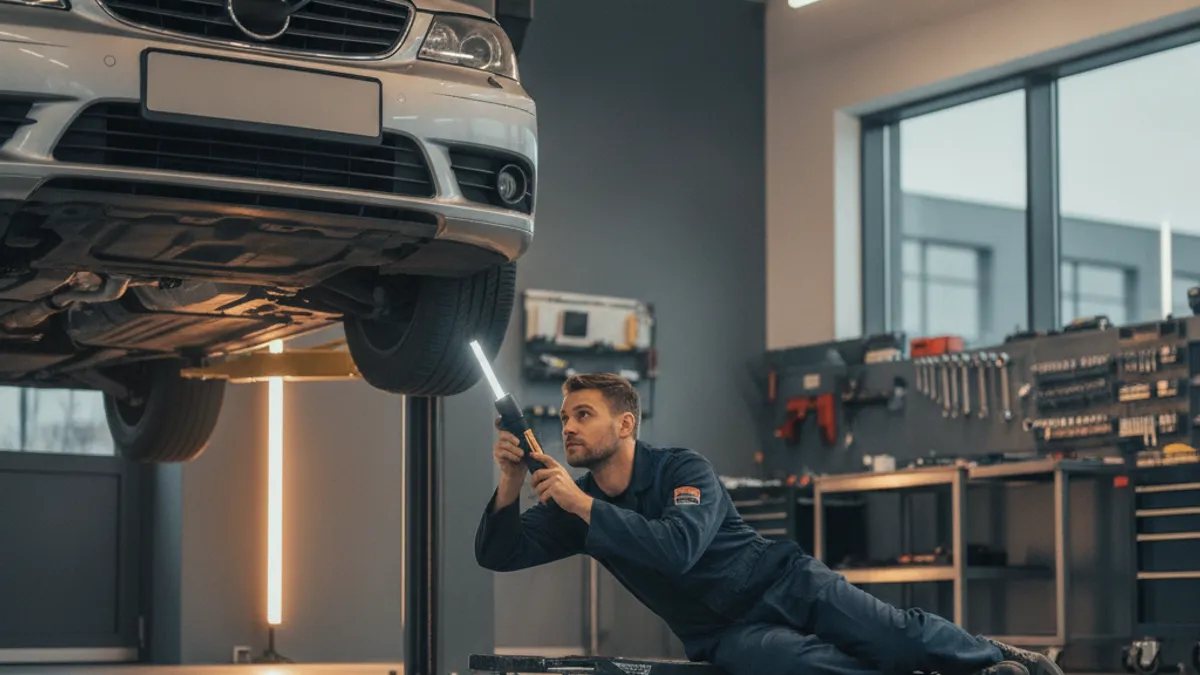
At our workshop, we regularly see cars imported without any documentation of roadworthiness. Some of them have structural damage patched up hastily, rolled-back odometers, or concealed total loss status. The regulation is, among other things, an attempt to stop such practices at the source — before the car leaves the EU.
When buying a used car, whether imported or domestic, checking the documented vehicle history is something we consider essential. Through the chassis number, international registries can verify actual mileage by date, recorded accidents, number of previous owners, and indicators of theft or total loss via carVertical. When paying for the report, you can use the code GAGA to get a 20% discount.
Will Used Car Prices in BiH Rise Because of the EU Regulation
This is the question we hear most often. Short answer: probably not drastically, but the supply structure could shift in the lowest price segment.
In May 2026, BiH registered 1,221 new vehicles — the best monthly result in three years. In addition, 6,776 used cars were registered, giving a ratio of 1:5.5 in favour of used cars for that month. Cumulatively from January to May 2026, 4,703 new vehicles were sold. Used cars completely dominate the market, and nothing in the short term will change that — including this regulation.
What the regulation could do is eliminate the very bottom of the market — those cars that are borderline roadworthy and currently arrive in BiH without documentation. If those vehicles can no longer leave the EU, buyers in that budget segment will have to look for alternatives, which may push prices up slightly in the lowest price range.
For the mid-range and upper segments of the market, the change will be negligible. Those vehicles already have documentation, are technically sound, and meet all the criteria for legal export. The supply of those cars will not decrease.
VW holds around 35% of the used car import share in BiH, and the average price of an imported used car is approximately 20,000 KM according to February 2026 data. These are cars that pass any inspection without issues. For the average BiH buyer importing a mid-range car, the regulation will change virtually nothing in terms of supply or prices.
What is worth thinking about in the long term is the general trend of tightening environmental and safety requirements in the EU. New vehicles from July 2026 must be equipped with advanced safety systems under GSR2 standards, which will gradually reshape the used car market structure in the years ahead.
What to Do If You Plan to Import a Car in the Next Five Years
No panic, but be smart about it. Here are concrete steps that apply both today and when the regulation comes into effect.
Buy from registered dealers. Do not buy a car from unverified private sellers abroad. A registered dealer issues an invoice, provides a roadworthiness certificate, and stands behind what they sell. That is your protection now and in the future.
Request a TUV certificate or equivalent. Even while the regulation is not yet in force, a TUV certificate is your proof that the car was technically sound at the time of purchase. If a dealer refuses to provide one, that is a clear reason to walk away.
Check the vehicle's structure. Corrosion of the load-bearing structure, repaired crash damage, and a non-original engine swap are the three things that classify a vehicle as end-of-life under the new regulation. At our workshop, we check for these on every pre-purchase inspection, but you can also inspect the sills, joints, and underbody for corrosion yourself before putting down a deposit. Tips for a DIY check can be found in our guide to inspecting a used car.
Keep all documentation. Every document you receive with the car — from the invoice to the TUV certificate to the service book — keep it in a physical folder. As rules tighten, complete documentation will become increasingly important for resale and registration.
Do not rush because of headlines. There is no reason to scramble to "buy while you still can". The ban on exporting unroadworthy vehicles does not take effect until 2031 at the earliest. You have time to choose the right car at the right price, without haste and without impulsive decisions.
Found a car you are considering? Book a pre-purchase inspection or message us on WhatsApp with the listing link before you put down a deposit.