What Is Actually Changing
Over the past few years, the European Union has been progressively tightening the allowed limits for exhaust emissions on new vehicles. The latest package (known as Euro 7) will come into full force on new vehicles sold in the EU, with a focus on reducing particulates and nitrogen oxides and standardising measurements under real-world driving conditions.
All of this applies to new vehicles that are manufactured and sold for the first time in the EU. For used vehicles imported into BiH, the law remains clear: imports follow Euro 3 and newer standards (depending on the regulations, which change from time to time). But from the perspective of a car's value and its lifespan in Europe, the changes are already visible today.
Low Emission Zones: Trouble for Older Diesels
One lesser-known effect is the spread of so-called Low Emission Zones (LEZ) or Clean Air Zones in major European cities. Paris, London, Brussels, Milan, Berlin, Amsterdam and others have introduced zones in which older diesel vehicles are either no longer allowed to enter or must pay a daily charge.
In practice:
- Vehicles older than Euro 4 or Euro 5 standards have been gradually pushed out of the centres of those cities
- Older diesels are losing value on the Western European market and are often sold further east, BiH included
- Owners of these vehicles in the EU have nowhere to register them locally, so exporting is the only option
For the BiH market, this means a larger supply of older diesels at ever lower prices. That may look like an opportunity, but there is another side to the coin.
What to Watch For When Importing an Older Diesel
An older diesel coming from a country with a clean-air zone was often restricted there, or even sat parked before being sold. That means:
- The exhaust aftertreatment system (DPF filter, AdBlue, EGR) is often in poor condition because it was not regularly "baked" during driving
- The AdBlue system on Euro 5 and newer vehicles may have been tampered with, which threatens expensive repairs if you want to register the vehicle here for commercial use
- Owners know the vehicle is at the end of its lifespan in Europe, so they remove or swap parts of questionable origin before the sale
The most common faults we see on such vehicles in the workshop:
- A clogged DPF filter that needs cleaning or replacement
- An EGR valve completely blocked with soot
- Engine running without AdBlue fluid because the system has been "deleted" via software
- A misadjusted common rail system or worn injectors
All of these are repairable, but not cheaply. A thorough inspection before buying can save you thousands.
What to Do With a Diesel You Already Own
If you own a diesel and it serves you well, there is no reason to panic over EU standards. Vehicles already registered and on the road here stay on the road. But a few things are smart to do:
- Regular DPF servicing: drive at least once a week for 15 to 20 minutes on an open road at higher RPM so the filter can regenerate
- Regular oil changes: diesels are more sensitive to old oil than petrol engines, and many DPF and EGR problems come from neglected oil
- Regularly top up AdBlue fluid on Euro 5 and newer vehicles
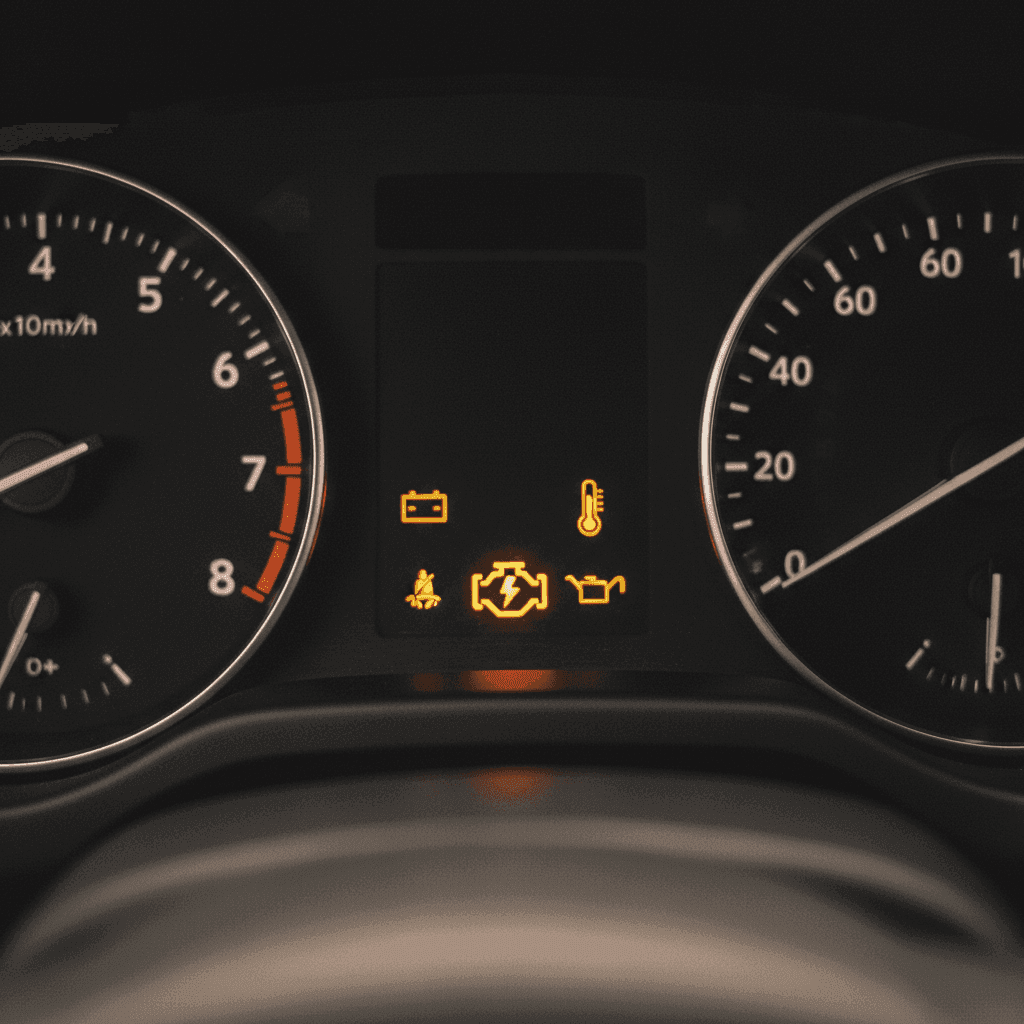
- Diagnostics once a year: an OBD check spots problems before they turn into a lit warning light and an expensive repair
For New Vehicles
For drivers buying new or nearly new today, most manufacturers have shifted focus to petrol engines, hybrids and EVs. Diesel remains a reasonable option for vehicles that regularly cover long distances, but a city diesel is no longer the logical choice it once was. For city driving, a good petrol car with an LPG conversion or a hybrid makes more sense both economically and environmentally.
Conclusion
The new EU standards primarily affect the price of older diesels coming from the West. For owners who already have a diesel, the problem is not the standard but regular maintenance of the exhaust system. For buyers, a cheaper used diesel is not always a bargain if it has not been properly inspected.
If you are thinking about importing a used diesel from Western Europe and need an honest inspection before registering it, get in touch. An inspection costs little and can save you from an expensive mistake.