01 / ARTICLEWorkshop news
May 7, 2026 · BLOG

Step-by-step mechanical repair guide for Banja Luka drivers

Master mechanical repairs step by step with our Banja Luka guide. Gain confidence in DIY car repairs and save money today!

Step-by-step mechanical repair guide for Banja Luka drivers

TL;DR:

  • Regular vehicle maintenance often involves simple tasks like oil changes and tire swaps that drivers can safely perform at home with proper tools. However, complex repairs such as suspension work or brake servicing should be left to professionals to ensure safety and avoid costly mistakes. Verifying repair success through visual checks, test drives, and monitoring warning lights helps confirm that your vehicle remains reliable and safe after maintenance.

Your car makes a sound you've never heard before, or the oil light flickers on during your morning commute across Banja Luka. That moment of uncertainty is familiar to most vehicle owners, and it doesn't have to end with a guess or a costly misdiagnosis. This guide walks you through the essential tools, core repair procedures, troubleshooting logic, and post-repair checks you need to handle basic mechanical work with real confidence. Whether you're facing your first oil change or trying to identify a suspension noise, clear steps and sound preparation make the difference between a successful repair and an expensive mistake.

Table of Contents

Key Takeaways

Point Details
Start with proper tools Having the right equipment and prepping your workspace makes repairs easier and safer.
Follow clear steps Step-by-step instructions minimize mistakes and help you get reliable results.
Watch for red flags Unusual noises or symptoms could signal deeper problems that require expertise.
Check your work Inspect your repairs for leaks, smooth operation, and drive safely to confirm success.
Know your limits Taking on basics is smart, but complex repairs should be left to professionals.

What you need: Tools and preparation

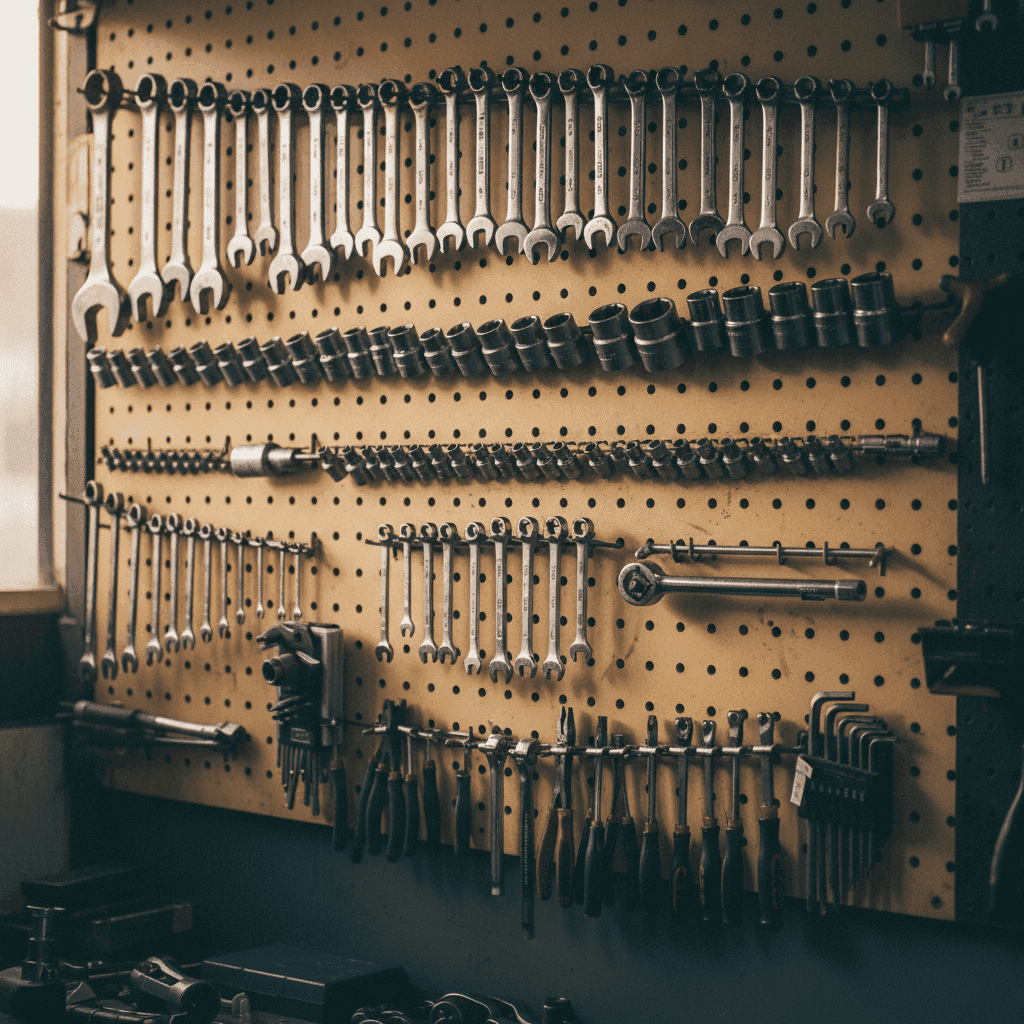
Having set the stage, we start with the crucial gear and preparation required before any repair. Walking into a repair job without the right tools is the fastest route to stripped bolts, spilled fluids, and wasted time. Before you touch the vehicle, build a reliable toolkit and understand basic safety.

Essential tool overview

Tool Purpose Notes
Socket set (metric) Removing bolts and fasteners A quality 3/8" drive set covers most jobs
Floor jack Lifting vehicle safely Rated minimum 2 tons for passenger cars
Jack stands Supporting lifted vehicle Never work under a car supported by a jack alone
Torque wrench Tightening bolts to spec Critical for wheel lugs and drain plugs
Oil catch pan Collecting used oil Prevents spills and enables proper disposal
Funnel set Adding fluids cleanly Prevents overfill and spillage
OBD2 scanner Reading fault codes Inexpensive tools start around 30 EUR
Safety goggles Eye protection Required when working under the vehicle
Nitrile gloves Skin protection Oil and brake fluid absorb through skin

A well-stocked essential tools for repairs kit does not need to be expensive, but it does need to be complete. Buying a quality socket set and a reliable floor jack up front will save you from borrowing tools or improvising solutions mid-job.

Safety preparation checklist

Before starting any work, run through these steps:

  • Let the engine cool for at least 30 minutes before touching anything near the exhaust or radiator
  • Park on level ground to prevent jack movement during lifting
  • Apply wheel chocks (rubber wedges) in front and behind tires on the opposite axle before jacking
  • Disconnect the battery if you're working near electrical components
  • Clear your workspace of clutter, standing water, and flammable materials
  • Keep a fire extinguisher nearby when working near fuel or exhaust systems
  • Verify proper jack point locations using your vehicle's owner manual

Pro Tip: Invest in a set of quality jack stands rated for your vehicle's weight. A floor jack can fail, but properly positioned jack stands hold the car securely. Never rely on a single point of support when working underneath.

Car care basics for first-time owners confirms that DIY is suitable for basics like fluid changes, tire rotations, and oil service, but tasks involving the transmission or suspension system require specialist tools and carry real safety consequences if done incorrectly. Knowing this boundary before you start is part of solid preparation.

For a broader overview of what to check and when, our maintenance checklist provides a clear service timeline organized by mileage and season.

Step-by-step repairs: Core procedures

Now that you're prepared, let's break down the most common repair jobs you can tackle yourself. These three procedures cover the bulk of what most vehicle owners encounter in regular maintenance cycles.

Oil change: Step-by-step

  1. Warm the engine for 2 minutes, then shut it off and let it cool for 10 minutes to allow oil to settle
  2. Position the catch pan directly under the drain plug on the oil pan
  3. Using the correct socket, remove the drain plug and let oil drain fully (5 to 10 minutes)
  4. Remove the old oil filter using an oil filter wrench, draining residual oil into the pan
  5. Lightly coat the rubber gasket on the new filter with fresh oil before threading it on by hand
  6. Reinstall the drain plug and torque it to the manufacturer specification (typically 25 to 35 Nm)
  7. Add the correct grade and volume of oil through the filler cap using a funnel
  8. Run the engine for 60 seconds, then check the dipstick and inspect under the car for leaks

Pro Tip: Use a dedicated oil catch pan with a sealed lid so you can transport used oil directly to a recycling point. Improper oil disposal is both an environmental offense and a common beginner mistake.

DIY oil change on driveway with tools

Fluid top-up procedure

Coolant, brake fluid, power steering fluid, and windshield washer fluid all have clear reservoirs with minimum and maximum markings. Check fluid levels with the engine cold, use the exact fluid type specified in your owner's manual, and never open the coolant reservoir cap when the engine is hot.

Tire change: Step-by-step

  1. Loosen lug nuts slightly while the tire is still on the ground (do not fully remove)
  2. Position the floor jack under the correct jack point and lift until the tire clears the ground
  3. Secure the vehicle on jack stands before removing the wheel completely
  4. Remove lug nuts fully, pull the wheel off, and mount the spare or replacement
  5. Hand-tighten lug nuts in a star pattern to ensure even seating
  6. Lower the vehicle from the jack stands, then torque lug nuts to specification (typically 100 to 120 Nm for passenger cars)
  7. Recheck torque after driving 50 km, as nuts can settle slightly after the first load cycle
Repair type Required tools Estimated time
Oil change Socket set, catch pan, funnel, filter wrench 30 to 45 minutes
Fluid top-up Correct fluid, funnel, rag 5 to 10 minutes
Tire change Floor jack, jack stands, torque wrench 20 to 30 minutes
Basic brake inspection Floor jack, jack stands, flashlight 20 minutes (inspection only)

Infographic showing basic car repair steps

For more detail on service intervals and what changes at each mileage milestone, check our fluid change schedule and our detailed auto repair guide tailored specifically to drivers in our region.

When it comes to brake work beyond a visual inspection, including pad replacement, caliper bleeding, or rotor resurfacing, car care basics for first-time owners reinforces that brake hydraulics and suspension components require professional intervention due to the precision and safety margins involved. The small service basics page outlines what a professional minor service includes so you can decide where to draw the line.

Troubleshooting and common mistakes

Even with careful steps, problems and mistakes can occur. Here's how to spot and solve them before they turn into bigger issues.

Common DIY mistakes to avoid

  • Forgetting wheel chocks before jacking, which allows the car to roll during lifting
  • Overtightening the drain plug after an oil change, which strips threads and causes leaks on the next service
  • Using the wrong oil grade, such as putting 5W30 in an engine specified for 0W20, which affects viscosity and protection
  • Skipping step verification, meaning not rechecking torque values or fluid levels after completing a task
  • Improper fluid disposal, including pouring used oil down a drain, which is an environmental violation and carries fines
  • Cross-threading a filter or plug by rushing the reinstallation rather than starting by hand
  • Working on a warm exhaust or radiator system without allowing adequate cooling time

Each of these errors is preventable with patience and a methodical approach. The single most effective habit you can build is to read the next step before executing the current one.

Recognizing when symptoms require diagnostics

Warning: If your vehicle clunks over bumps, do not assume it is a minor annoyance. Clunking over bumps most often points to worn sway bar links or deteriorating control arm bushings. However, when the noise is accompanied by wheel play detected during a jacked inspection, it can indicate ball joint failure. A failed ball joint while driving can cause sudden loss of steering control, making this a genuine safety emergency rather than a maintenance item you can defer.

Beyond suspension noise, these symptoms require professional diagnostics rather than DIY guesswork:

  • Persistent warning lights after a fluid service or repair
  • Pulling to one side during braking, which can indicate a seized caliper
  • Vibration at highway speed not resolved by wheel balancing
  • Oil or coolant pooling under the vehicle after a repair you performed

Our diagnostics steps article walks you through the structured process we use to identify fault sources, and our mechanical service tips resource covers the most frequent mechanical complaints we see from Banja Luka drivers.

Verifying repairs: How to judge success

After repairs, ensure your work is solid and your vehicle is safe through these checks. Verification is not optional. A repair that looks complete on the surface can still fail silently if not tested properly.

Post-repair verification checklist

  • Visual leak inspection: With the engine running for 2 minutes after an oil change or fluid service, look under the car for drips at the drain plug, filter, and any disturbed fittings
  • Fluid level confirmation: Recheck all fluid levels against the marked minimum and maximum lines with the engine fully cold
  • Warning light scan: Start the vehicle and confirm no new warning lights appear on the dashboard
  • Wheel security check: After any tire work, verify that lug nuts are correctly torqued and that the wheel sits flush against the hub with no wobble
  • Brake pedal feel: After any brake-adjacent work, press the pedal firmly before moving the car. A spongy or low pedal requires immediate attention
  • Normal operating temperature: After the first drive, check that the temperature gauge settles in the normal range, not above it

Pro Tip: Take a 5 to 10 km test drive at low speed through varied road conditions after any repair. Pay close attention to any new noises, vibrations, or handling changes. What you notice on the road will tell you more than a stationary inspection alone.

Signs your repair was successful include: steady fluid levels with no visible leaks, no illuminated warning indicators, consistent brake pedal resistance, and vehicle behavior that matches your pre-fault baseline. If any of these conditions are not met, treat it as an unresolved fault.

Car care basics for first-time owners notes that for jobs beyond basic fluid service and tire changes, professional verification adds a meaningful layer of safety assurance. Our driver tips resource covers ongoing checks you can do between service intervals to catch issues early.

What most guides miss: The Banja Luka workshop approach

Most online repair guides are written for an anonymous, average driver in an unspecified climate with a vehicle in average condition. That description fits very few of the vehicles we see at our workshop in Banja Luka.

Here's what years of local work have shown us: the majority of vehicle failures we diagnose trace back to overlooked basics, not to complex system failures. A blocked cabin filter ignored for 60,000 km, brake fluid that hasn't been changed in four years, a coolant level that was checked but refilled with plain water instead of the correct 50/50 mix. These are not sophisticated failures. They are the result of incomplete information or the assumption that "it was fine last time."

"In our experience, roughly 70 to 80 percent of the mechanical complaints we see could have been prevented or caught earlier with consistent, informed basic maintenance. The complex repairs tend to be downstream consequences of simple things not done."

There is also a specific cultural dynamic in Banja Luka that is worth addressing honestly. Many drivers in our region take genuine pride in handling their own maintenance, which we respect and encourage within safe limits. The line we ask you to respect is this: DIY confidence is an asset when it's grounded in real knowledge. It becomes a liability when it extends into brake hydraulics, suspension geometry, or fuel system work without the correct tools and training.

The hardest lesson from our workshop floor is that calling a professional early is almost always cheaper than calling one late. A worn control arm bushing that costs 50 to 80 EUR to replace costs several times more if the resulting handling instability damages a tire, a rim, or causes an accident.

Check our local repair guide for region-specific advice on what Banja Luka driving conditions mean for your maintenance schedule.

Pro Tip: Save a trusted local mechanic's number in your phone before you need it. When you're mid-repair and find something unexpected, having fast access to professional advice can save hours and prevent a small problem from becoming a large one.

Get expert support or save with Banja Luka's trusted services

Knowing the steps is a strong starting point, but hands-on expertise and the right diagnostic equipment make a real difference when a repair gets complicated.

https://gaga.ba

If you've completed a repair and still see warning lights, unusual behavior, or fluid issues you can't trace, our vehicle diagnostics service in Banja Luka uses professional-grade tools to identify faults accurately, without guesswork. Our online service book records every visit, every part replaced, and every guarantee issued, accessible through your secure account. From standard mechanical maintenance and LPG system service to full diagnostics, we've been serving Banja Luka drivers since 1996. Book your appointment, ask a technical question, or use our online tools to plan your next service. We're here to make sure every repair ends with a vehicle you can trust.

Frequently asked questions

What mechanical repairs can I safely handle at home?

You can generally tackle simple jobs like oil changes, fluid top-ups, and tire swaps, but leave complex repairs to professionals due to safety and tool requirements for transmission and suspension work.

How do I know if suspension noises are dangerous?

Clunking over bumps often comes from sway bar links or control arms, but if there's wheel play with the car jacked, it could signal a failing ball joint, which is a serious safety risk requiring immediate professional attention.

What are the most common mistakes in DIY mechanical repairs?

Forgetting safety precautions like wheel chocks, skipping step verification after completing a task, and improper disposal of used fluids are the most frequent errors that compound into bigger problems.

How can I check if my repair succeeded?

After completing any repair, inspect for fluid leaks with the engine running, confirm warning lights are clear, check torque on any fasteners you touched, and take a short test drive to monitor for abnormal noise or handling changes.

10 / CONTACTCall or visit

Got a problem
with your vehicle?

For an inspection, service or to discuss your vehicle, call us or send a message. If you're not sure what the fault is, describe the symptoms and vehicle model.

Workshop address
Auto Gas Gaga
Njegoševa 44
Banja Luka, Republika Srpska
Bosnia and Herzegovina
Working hours
Mon-Fri08:00 - 17:00
Saturday08:00 - 13:00
SundayClosed
AUTO GAS GAGA · BANJA LUKA · SINCE 1996.
№ 10 / END OF PAGE